
1. Onyi Alex

2. Ini Edo

3. Tonto Dikeh

4. Chika Ike

5. Caroline Danjuma

1. Onyi Alex
2. Ini Edo
3. Tonto Dikeh
4. Chika Ike
5. Caroline Danjuma
A 20 years old girl, Miracle Kalu, from Ohafia, Abia State was arrested alongside her accomplice for selling her 28 day old child for N130,000.
According to the report, Miracle Kalu said after she got pregnant, her lover denied been responsible for the pregnancy, out of lack of fund to take care of her baby and her health condition forced her into selling her 28 day old child.
Her accomplice, Patrick Mbama, 41 and Ogechi Ekwebele, 30 were arrested while returning from Imo state around 2 am at Anthony Lagos.
The Police Commissioner of Lagos State, Hakeem Odumosu, said that the baby was crying in the vehicle and the supposed mother of the child refused to breastfeed the baby and this raised other passengers ‘ suspicion.
The Police Commissioner of Lagos State reported that:
“Upon questioning, this particular childless couple claimed that a childless man and wife in Lagos had paid for the said baby.” Kalu, who spoke to journalists, said she was an orphan and a secondary school dropout.
However, a police source disclosed that Kalu is notorious for selling her children, as it was not her first time of giving birth and selling her baby.
The first fake couple, Mbama and Ekwebele, bought the baby from Kalu for N130,000 and resold her for N150,000, to another couple, Izuchukwu Okafor, 51, and Cecilia Okafor, 40, in Lagos.
Okafor said it was the desperation to have a child of my own that pushed her into buying the baby. “Being barren for 15 years is not easy,” she added.
Abeg oh!: Is this a case of my village people remembering me?
……………………………….
I was watching a movie last night on my laptop while, simultaneously, chatting with a friend on Facebook with my phone. Even when I got a notification that my phone’s battery was running low, I ignored it. The generator usually stayed on till midnight before going off, so there was plenty of time to charge the phone. It was when my laptop gave a similar notification that I stood up. But, just then, the light went off. It was just some minutes past ten.
And the post I was supposed to share today is in the laptop—and nowhere else.
This afternoon, after losing hope that the normal light will be restored, I tried typing it all over, using a spare phone. It was no easy task trying to reproduce that piece. But, I did. However, just as I was done, the phone mistakenly fell from my hand and crashed on the floor. Till this time, it has refused to come on.
At that moment, I did not know if I was to cry or scream. But I did try to hold myself from smashing the phone on the wall.
But, you know, that’s how life is sometimes. You try to do all the right things but everything goes south in the end. Still, I believe, those who won’t give up will surely find a way.
This may not be what I was supposed to share today, but I do believe it will inspire—or, who knows, it just might entertain—someone. And, in that, I think this post is as good as the one I would have shared.
Hold on, even when everything seems to fail.
Have a great week ahead.
I think some of the fears and insecurities we struggle with were sown in us at a young age. Maybe we experienced something we shouldn’t have, and, ever since, the memory won’t let us be.
You know, not until this past week, it did not occur to me that kids are watching too: seeing and hearing most of the disturbing stories and conversations about the pandemic. And it is frightening knowing that some of these kids will internalise their fears, because, young as they may be, they likely have figured that ours is a society that would prefer you hide your fears than admit them.
I hope you’d consider this: The need to initiate an honest, two-way conversation with your kids or, basically, with kids whom you are obligated to care for. And this, I think, is relevant for all times, not just in this season.
I guess not many of us had this while growing up, and not having an example to follow after, it may seem a difficult task to initiate.
So, if you have kids or you hope to have one someday, here are tips I think might help:
— Start early.
— Reduce or totally eliminate those “When I was your age” stories. They are usually boring and not always helpful. Dear, you’re human, which means, no matter how good you think you are, you have faults. Truly, a good relationship requires a certain level of vulnerability from both sides. So, to the extent you can, do show them that you are truly human.
— Beyond the words we speak and write, people tend to sense the spirit behind them. So, try not to make the conversation about you or what you want of your kids. Rather, it should be a conversation about them and the person they want to be.
You know, life shouldn’t always be so complicated.
Have a great week ahead.
most challenging aspects of weight loss is cutting back on calories. Many low-calorie foods can leave you feeling hungry and unfulfilled between meals, making it much more tempting to overeat and indulge.
There are plenty of healthy foods that exist, which has both fillings and equally low in calories.
Below, are the 7 low calorie foods you want to stock your office fridge and house with.
1. Watermelon
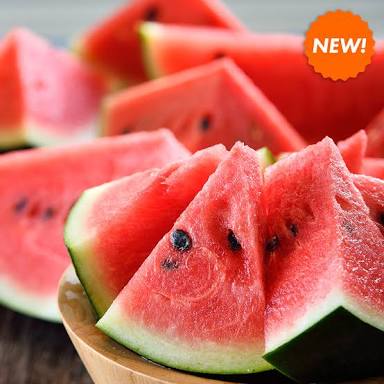
Watermelon has a high water content to keep you hydrated and full while supplying a minimal number of calories. One cup (152 grams) of diced watermelon contains 46 calories alongside an assortment of essential micronutrients like vitamins A and C (44).[20]
Eating foods with a low-calorie density, such as watermelon, has been shown to have similar effects on feelings of fullness and hunger compared to high-calorie-density foods.
Plus, foods with a lower calorie density have been linked to lower body weight and decreased calorie intake.
2. Eggs
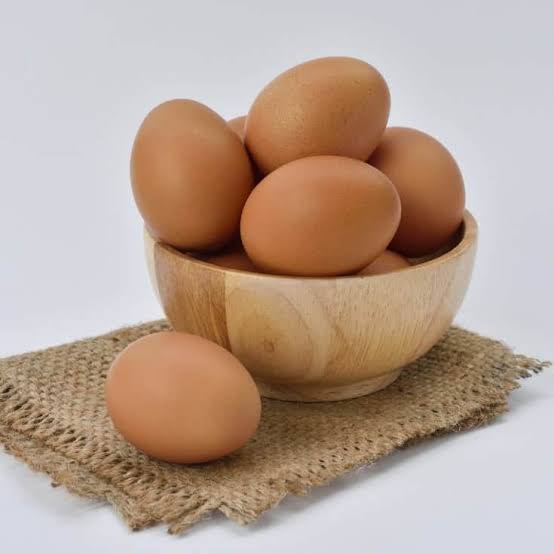
Eggs are extremely nutrient-dense, as they’re low in calories but rich in many vital nutrients. A single large egg has approximately 72 calories, 6 grams of protein and a wide array of important vitamins and minerals.
Studies suggest that starting your day with a serving of eggs can reduce hunger and boost fullness. In a study in 30 women, those who ate eggs for breakfast instead of a bagel experienced greater feelings of fullness and consumed 105 fewer calories later in the day
3. Cucumber
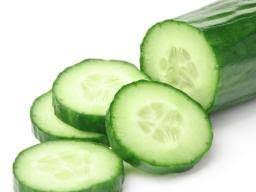
Cucumber is a widely cultivated plant in the gourd family, Cucurbitaceae. It is a creeping vine that bears cucumiform fruits that are used as vegetables. There are three main varieties of cucumber: slicing, pickling, and seedless. Within these varieties, several cultivars have been created.
Energy: 15.54 Calories (per 100 g)Potassium: 147 mg (per 100 g)Vitamin c: 2.8 mg (per 100 g)Protein: 650 mg (per 100 g)Scientific name: Cucumis sativusOther constituents: Quantity
It’s high in nutrients. Cucumbers are low in calories but high in many important vitamins and minerals. It contains Antioxidants, it is very good in hydration. It aid in weight loss and has lower blood sugar. It also promotes regularity and easily to add to your diet.
4. Greek Yoghurt

Greek yoghurt is a great source of protein that can help curb cravings and promote weight loss.
Though the exact numbers vary between brands and flavors, a 2/3-cup (150-gram) serving of Greek yoghurt typically provides about 130 calories and 11 grams of protein.[1]
One study in 20 women examined how a high-protein yoghurt snack affected appetite compared to unhealthy high-fat snacks like chocolate or crackers.[2] Not only did the women who ate yoghurt experience less hunger, but they also consumed 100 fewer calories at dinner than those who ate crackers or chocolate.
Meanwhile, in another study in 15 women, high-protein Greek yoghurt helped reduce hunger and increase feelings of fullness compared to lower-protein snacks.
5. Berries
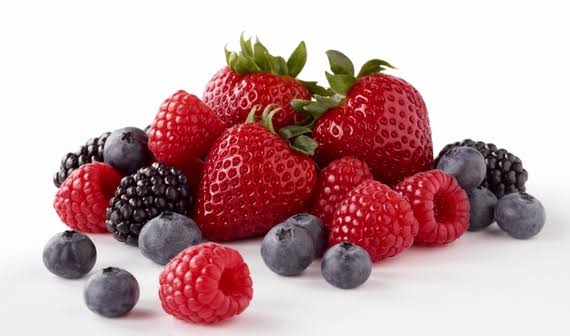
Berries — including strawberries, blueberries, raspberries and blackberries — are loaded with vitamins, minerals and antioxidants that can optimize your health. Their high fiber content also boosts weight loss and reduces hunger. For example, 1 cup (148 grams) of blueberries supplies just 84 calories but packs 3.6 grams of fiber.
6. Fish
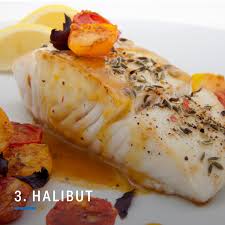
Fish is rich in protein and heart-healthy fats. For instance, Halibut, cod and so on. A 3-ounce (85-gram) serving of cod provides over 15 grams of protein and under 70 calories.
7. Legumes
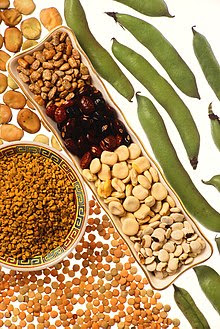
Legumes have a powerful effect on hunger and appetite. One study in 43 young men noted that a high-protein meal with beans and peas increased feelings of fullness and reduced appetite and hunger more than a high-protein meal with veal and pork
Because of their high protein and fiber content, legumes such as beans, peas and lentils can be incredibly filling. One cup (198 grams) of cooked lentils provides about 230 calories, as well as 15.6 grams of fiber and nearly 18 grams of protein.[17]
Another review of nine studies reported that people felt 31% more full after eating pulses, a type of legume, compared to high-carb meals of pasta and bread.
Parenting or child upbringing is the process of promoting and supporting the physical, emotional, social and intellectual development of a child from infancy to adulthood. It refers to the intricacies of raising a child and not exclusively for a biological relationship.

How to be a good parent.
A good parent is someone who strives to make decisions in the best interest of the child.
A good parent doesn’t have to be perfect. No one is perfect.
No child is perfect either … keeping this in mind is important when we set our expectations.
Successful parenting is not about achieving perfection.
But it doesn’t mean that we shouldn’t work towards that goal.
Set high standards for ourselves first and then our children second. We serve as a role model for them.
Here are 6 tips on learning good parenting skills.

Many of them are not quick nor easy. And probably no one can do all of them all of the time.
But if you can keep working on the tips in this parenting guide, even though you may only do part of these some of the time, you will still be moving in the right direction.

Walk the walk. Don’t just tell your child what you want them to do. Show them.
Human is a special species in part because we can learn by imitation. We are programmed to copy other’s actions to understand them and to incorporate them into our own. Children, in particular, watch everything their parents do very carefully.
So, be the person you want your child to be — respect your child, show them positive behavior and attitude, have empathy towards your child’s emotion — and your child will follow suit.
2. Love Them And Show Them Through Action
Show your love.
There is no such thing as loving your child too much. Loving them cannot spoil them.

Only what you choose to do (or give) in the name of love can — things like material-indulgence, leniency, low expectation, and over-protection. When these things are given in place of real love, that’s when you’ll have a spoiled child.
Loving your child can be as simple as giving them hugs, spending time with them and listening to their issues seriously.
3: Practice Kind And Firm Positive Parenting
Babies are born with around 100 billion brain cells (neurons) with relatively little connections. These connections create our thoughts, drive our actions, shape our personalities and basically determine who we are. They are created, strengthened and “sculpted” through experiences across our lives.
Give your child positive experiences. They will have the ability to experience positive experiences themselves and offer them to others.
Give your child negative experiences. They won’t have the kind of development necessary for them to thrive.
Sing that silly song. Have a tickle marathon. Go to the park. Laugh with your child. Ride through an emotional tantrum. Solve a problem together with a positive attitude.
Not only do these positive experiences create good connections in your child’s brain, but they also form the memories of you that your child carries for life.
When it comes to discipline, it seems hard to remain positive. But it is possible to practice Positive Discipline and avoid punitive measures.
Being a good parent means you need to teach your child the moral in what is right and what is wrong. Setting limits and being consistent are the keys to good discipline. Be kind and firm when enforcing those rules. Focus on the reason behind the child’s behavior. And make it an opportunity to learn for the future, rather than to punish for the past

Let your child know that you’ll always be there for them by being responsive to the child’s signals and sensitive to their needs. Support and accept your child as an individual. Be a warm, safe haven for your child to explore from.
Children raised by parents who are consistently responsive tend to have better emotional development, social development, and mental health outcomes.

Most of us already know the importance of communication. Talk to your child and also listen to them carefully.
By keeping an open line of communication, you’ll have a better relationship with your child and your child will come to you when there’s a problem.
But there’s another reason for communication — you help your child integrate different parts of his/her brain. Integration is similar to our body in which different organs need to coordinate and work together to maintain a healthy body.
When different parts of the brain are integrated, they can function harmoniously as a whole, which means fewer tantrums, more cooperative behavior, more empathy and better mental well-being.
To do that, talk through troubling experiences. Ask your child to describe what happened and how he/she felt to develop attuned communication.
You don’t have to provide solutions. You don’t need to have all the answers to be a good parent. Just listening to them talk and asking clarifying questions will help them make sense of their experiences and integrate memories.
Many of us want to parent differently from our parents. Even those who had good upbringing and a happy childhood may want to change some aspects of how they were brought up.
But very often, when we open our mouths, we speak just like our parents did.
Reflecting on our own childhood is a step towards understanding why we parent the way we do.
Make note of things you’d like to change and think of how you’d do it differently in a real scenario. Try to be mindful and change your behavior the next time those issues come up.
Don’t give up if you don’t succeed at first. It takes practice, lots of practice to consciously change one’s child upbringing methods.
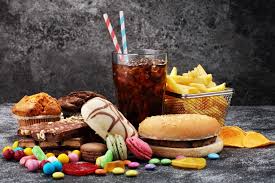
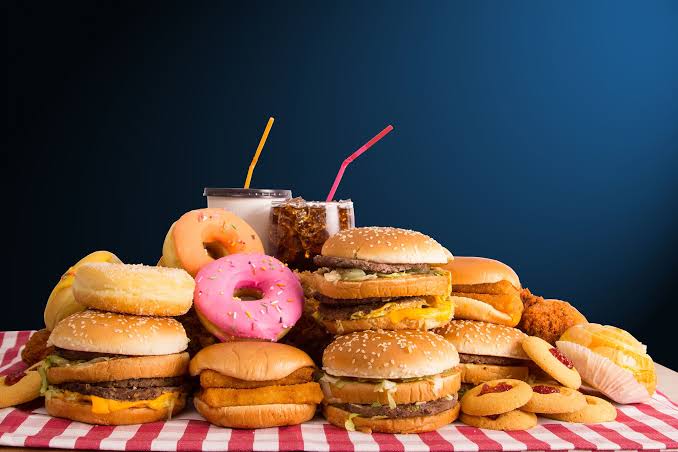

A lot of ailments we suffer today are mostly due to unhealthy feeding habits we get involved in
Some food eat can adversely affect us, they are easily prepared but we do not know what detriment all these have on our body.
In most recent times, a lot of things can cause a drop in sperm counts. Some attribute it to men resting laptops on their laps, others say it the heat from cellphone we put inside our side pockets. The truth is what we eat also plays a major role in this situation. Don’t allow the wrong choice of diet to kill your potential generations.
Here Are 3 Foods That Affect The Sperm Negatively.
1. Trans Fats
This kind of fats increases the risk of heart diseases. Research also recently proved that increased intake of trans fats are linked with a decrease in sperm counts.
2. High Fat Dairy Products
Research has proved that milk with a very high-fat content was associated with decreased sperm motility and abnormal sperm shape. A time traces of steroid hormones injected in cows are found in these products.
3.Processed Meats
These include hotdogs, beef jerky, bacon, salami, sausages, and others, of course, they are quite delicious. But talking about a healthy sperm. So many studies have proved that processed red meats affect sperm counts and motility negatively.
The Public Relations Officer, for Customs Area Controller, Ogun I Area Command, Abdullahi Maiwada in a statement said the incident happened on Friday evening when officers were on information patrol to Ilashe village in Ipokia Local Government Area of the state.
According to Maiwada, “During their operation, they Intercepted 35 bags of smuggled parboiled rice of 50kg each ferried by a convoy of motorcyclists (popularly known as Okada) in the area.
“On their way out of the area, the diehard smugglers mobilised themselves in an overwhelming number, launched a vicious attack with assorted weapons on officers performing their lawful duties.”
He said effort made to repelled the attack and avoid bloodshed, one officer of the Customs, Assistant Superintendent Chidi Johnson was brutally matcheted, sustaining deep cuts in various parts of his body.
He explained further that, the wounded officer was immediately rushed to the hospital for medical attention, and luckily he is responding to treatment.
He added that five suspects members of the diehard smugglers have been arrested in connection with the incident and are currently undergoing interrogation.
Meanwhile, It is instructive to note that Friday was a date set aside for total lockdown in Ogun state due to the surge of the COVID-19 pandemic.
“We find it unfortunate and strange, that the daredevil smugglers who have no regards for laws of the land or the disease ravaging the global community resorted to crossing the border through illegal routes to perpetrate such nefarious activites in total disregard of the health and economic well being of Nigerians.
“Principally, we seize this opportunity to enjoin the faceless unpatriotic smuggling cartels to stop using uninformed youths as cannon fodders in their nefarious trade.
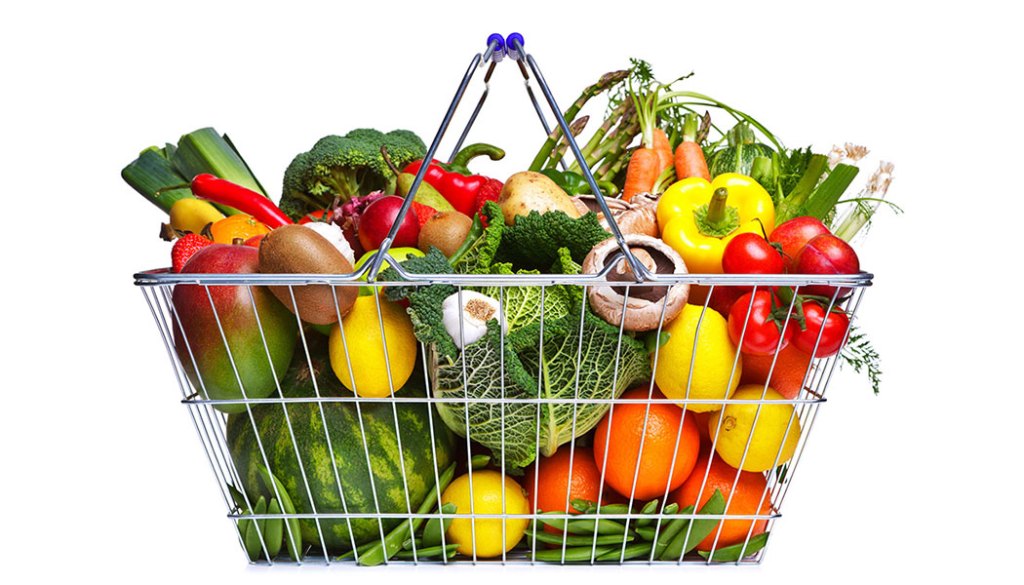
Vegetables and fruit are a handy snack food and are easily carried to work or school. Include them in everyone’s meals and snacks for a healthy, well-balanced diet. Some suggestions include:
Some simple ways to serve fruits and vegetables include:
Limit fruit juice, as it does not contain the same amount of nutrients as fresh fruit. It also contains a lot of sugars. These sugars are not necessarily good for your health, even though they are ‘natural’. Instead, have a drink of water and a serve of fruit.
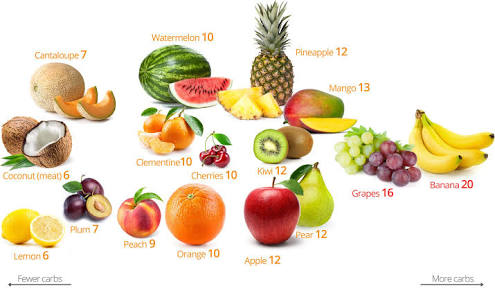
*Eat a variety of foods.
*Base your diet on plenty of foods rich in carbohydrates.
*Replace saturated with unsaturated fat.
*Enjoy plenty of fruits and vegetables.
*Reduce salt and sugar intake.
*Eat regularly, control the portion size.
*Drink plenty of fluids.
* a healthy body weight.
*Get on the move, make it a habit!
*Start now! And keep changing gradually.
1. Eat a variety of foods
For good health, we need more than 40 different nutrients, and no single food can supply them all. It is not about a single meal, it is about a balanced food choice over time that will make a difference!
A high-fat lunch could be followed by a low-fat dinner.
After a large meat portion at dinner, perhaps fish should be the next day’s choice?
2. Base your diet on plenty of foods rich in carbohydrates
About half the calories in our diet should come from foods rich in carbohydrates, such as cereals, rice, pasta, potatoes, and bread. It is a good idea to include at least one of these at every meal. Wholegrain foods, like wholegrain bread, pasta, and cereals, will increase our fibre intake.
3. Replace saturated with unsaturated fat
Fats are important for good health and proper functioning of the body. However, too much of it can negatively affect our weight and cardiovascular health. Different kinds of fats have different health effects, and some of these tips could help us keep the balance right:
We should limit the consumption of total and saturated fats (often coming from foods of animal origin), and completely avoid fats; reading the labels helps to identify the sources.
Eating fish 2-3 times a week, with at least one serving of oily fish, will contribute to our right intake of unsaturated fats.
When cooking, we should boil, steam or bake, rather than frying, remove the fatty part of meat, use vegetable oils.
4. Enjoy plenty of fruits and vegetables
Fruits and vegetables are among the most important foods for giving us enough vitamins, minerals and fibre. We should try to eat at least 5 servings a day. For example, a glass of fresh fruit juice at breakfast, perhaps an apple and a piece of watermelon as snacks, and a good portion of different vegetables at each meal.
5. Reduce salt and sugar intake
A high salt intake can result in high blood pressure, and increase the risk of cardiovascular disease. There are different ways to reduce salt in the diet:
When shopping, we could choose products with lower sodium content.
When cooking, salt can be substituted with spices, increasing the variety of flavours and tastes.
When eating, it helps not to have salt at the table, or at least not to add salt before tasting.
Sugar provides sweetness and an attractive taste, but sugary foods and drinks are rich in energy, and are best enjoyed in moderation, as an occasional treat. We could use fruits instead, even to sweeten our foods and drinks.
6. Eat regularly, control the portion size
Eating a variety of foods, regularly, and in the right amounts is the best formula for a healthy diet.
Skipping meals, especially breakfast, can lead to out-of-control hunger, often resulting in helpless overeating. Snacking between meals can help control hunger, but snacking should not replace proper meals. For snacks, we could choose yoghurt, a handful of fresh or dried fruits or vegetables (like carrot sticks), unsalted nuts, or perhaps some bread with cheese.
Paying attention to portion size will help us not to consume too much calories, and will allow us to eat all the foods we enjoy, without having to eliminate any.
Cooking the right amount makes it easier to not overeat.
Some reasonable serving sizes are: 100 g of meat; one medium piece of fruit; half a cup of raw pasta.
Using smaller plates helps with smaller servings.
Packaged foods, with calorie values on the pack, could aid portion control.
If eating out, we could share a portion with a friend.
7. Drink plenty of fluids
Adults need to drink at least 1.5 litres of fluid a day! Or more if it’s very hot or they are physically active. Water is the best source, of course, and we can use tap or mineral water, sparkling or non-sparkling, plain or flavoured. Fruit juices, tea, soft drinks, milk and other drinks, can all be okay – from time to time.
8. Maintain a healthy body weight
The right weight for each depends on factors like our gender, height, age, and genes. Being affected by obesity and overweight increases the risks of a wide range of diseases, including diabetes, heart diseases, and cancer.
Excess body fat comes from eating more than we need. The extra calories can come from any caloric nutrient – protein, fat, carbohydrate, or alcohol, but fat is the most concentrated source of energy. Physical activity helps us spend the energy, and makes us feel good. The message is reasonably simple: if we are gaining weight, we need to eat less and be more active!
9. Get on the move, make it a habit!
Physical activity is important for people of all weight ranges and health conditions. It helps us burn off the extra calories, it is good for the heart and circulatory system, it maintains or increases our muscle mass, it helps us focus, and improves overall health well-being. We don’t have to be top athletes to get on the move! 150 minutes per week of moderate physical activity is advised, and it can easily become part of our daily routine. We all could:
use the stairs instead of the elevator,
go for a walk during lunch breaks (and stretch in our offices in between)
make time for a family weekend activity.
10. Start now! And keep changing gradually.
Gradual changes in our lifestyle are easier to maintain than major daily could be a great first move.
 Chioma Business Blog