Things you don’t know about charcoal

1. It’s good for preservation

I can remember vividly back then that we don’t have refrigerator, my mum used to put a piece of charcoal inside our already grinded beans that she want to use for moi-moi especially when she was busy with other things and do not want to prepare the moi-moi instantly. She said that it’s her own way of preserving it from getting soured. So after she finished what she was doing then she will remove the charcoal from the grinded bean and start preparing the moi-moi

2. It purified the teeth

When I was a kid in the primary school, my teacher back then used to tell us to grind charcoal and use it to brush our teeth with toothbrush that it purified the teeth.

3. Detoxifying

Do you have a hangover of a drink out with friends the previous night? Just have some charcoal with you and chew on it. To make it more effective, make a solution out of it and drink. You’re good to go.

7. Neutralizing alcohol

If you mistakenly did some wild mixing and feel it it can knock you out, just add some charcoal to the mixture and your problem is solved. Or if you took in too much alcohol, just drink some charcoal solution.

8. Healing wounds

Do you have a situation where someone’s wound has become so infected to the state doctors are saying they have to cut the affected Area? Don’t stress yourself over it. Get a large amount of charcoal powder and pour it on the wound. This will extract all the poison from the wound and also help it heal faster. If you have a cut and you want to treat it fast, get some powdered charcoal and pour on it

9. Water filtration

Do you feel your water is contaminated, you don’t need all those products in the market. Charcoal can do better. Just drop some amount of it in it. Don’t worry about the colour. It is safe for you can even chew on charcoal. It is safer than eating chicken from KFC.

10. Skin cleansing

Do you have pimples, acne or a skin disease you really want to get rid of or do you want q very smooth face or skin? All you need is charcoal. Make a thick solution out of it and smear it on your body and leave it on for some hours before taking bath. It will leave your skin smooth and fresh.

11. Stain removal

Do you have some stubborn stain in your kitchen, washroom or on your tiles? You actually need charcoal to take rid of it. Just try it. It works like magic.

12. Getting rid of bloated stomach

If you ate or drank something and feel bloated. Charcoal is the best solution to get rid of the bloating.

13. Gets rid of bad cholesterol

Making a solution out of it and drinking helps eliminate the bad cholesterol you have stored in you.

14. Ulcer treatment

Charcoal can treat all ulcers. Just make it a habit to always chew some.

3 signs that shows that your period is not normal.

1. Major Bleeding

Changing your pad or tampon every three hours is normal. What isn’t: You’re soaking through one in an hour or less. And while the occasional clot of thick bloody discharge is fine, if you have lots of clotting or clots that are larger than a quarter, go see your gynecologist. Bleeding this heavy can lead to anemia, which will leave you even more tired.

2. Weird Timing

Stress, overexercising, excessive weight loss or a gain — all of these things could be delaying your period or causing you to skip it altogether. Your doctor can get your body back on track. But if you have a super-long period followed by nothing for months, it may be polycystic ovary syndrome (PCOS), a somewhat common disorder where your hormones go haywire. PCOS could even lead to excess hair growth and weight gain, but there are meds to help.

3. Killer Cramps

Sure, we all get those knots below our stomach during that time of the month. But when the pain is so bad that you’re missing events or other important activities every time your period rolls around, it may be a sign of endometriosis. This is when the glands that grow inside your uterus spread to other areas, like your ovaries or bladder. Endometriosis often causes extreme cramps and leads to more serious issues if left untreated, so talk to your doctor if you’re suffering from really bad cramps every month.

Health benefits of eating watermelon seeds

Reason you should not throw away watermelon seeds.

🍉 Watermelon 🍉 on is believed to be the only fruit that contains a large percentage of water. It contains 92% of water and the rest is minerals.

The fruit contains seeds that are always when eaten. If you have been throwing away watermelon seeds, you need to think 🤔 twice. 

Why? This is because they have amazing health benefits. They include;

1. They make your bones strong.

They are rich in minerals like copper, magnesium, zinc and potassium.

All of these minerals together help in making the bones healthier. Zinc is used to help in digestion, cell growth and division.

Magnesium is used to maintain nerve, muscle function, the immune system and keeps the bones healthy.

2. They make your skin glow. 

The watermelon seed has oil which is widely used as the main ingredient for cosmetic products. It has been known to treat acne.

These seeds also contain antioxidants which help in reversing early skin ageing therefore they provide your skin with an inner glow.

In addition to that, they contain fatty acids which prevent dryness and provides hydration to damaged skin.

3. It has no calories. 

An ounce of watermelon seeds contains approximately 158 calories while a handful of watermelon seeds which weighs 4 grams contains about just 23 calories. This is far less than a bag of potato chips.

They contain healthy fats like oleic acid( a fatty acid that occurs naturally in various animal and vegetable fats and oils)and linoleum ( a polyunsaturated omega-6 fatty acid and is one of two essential fatty acids for humans, who must obtain it through their diet.)

These two acids are required for the body to function well.

4. It keeps your hair healthy. 

They contain proteins and iron which improve the texture and quality of hair.

It also helps in hair growth and prevents hair fall and damage.

5. It boosts your metabolism.

Since the watermelon seeds contain nutrients like folate, iron, zinc, copper, magnesium and potassium. They are very nutritious.

All of these nutrients are rich in amino acids, proteins and vitamin B complex that help in boosting your body’s metabolism

Top 10 Reasons to Eat More Fruits & Vegetables

Why eat more fruits and veggies?

1. Color & Texture. Fruits and veggies add color, texture … and appeal …  to your plate.

2. Convenience. Fruits and veggies are nutritious in any form – fresh, frozen, canned, dried and 100% juice, so they’re ready when you are!

3.  Fiber. Fruits and veggies provide fiber that helps fill you up and keeps your digestive system happy.

4. Low in Calories. Fruits and veggies are naturally low in calories.

5. May Reduce Disease Risk. Eating plenty of fruits and veggies may help reduce the risk of many diseases, including heart disease, high blood pressure, and some cancers.

6. Vitamins & Minerals. Fruits and veggies are rich in vitamins and minerals that help you feel healthy and energized.

7. Variety. Fruits and veggies are available in an almost infinite variety…there’s always something new to try!

8. Quick, Natural Snack. Fruits and veggies are nature’s treat and easy to grab for a snack.

9. Fun to Eat! Some crunch, some squirt, some you peel … some you don’t, and some grow right in your own backyard!

10. Fruits & Veggies are Nutritious AND Delicious!

5 benefits of eating watermelon seeds

Eating watermelon seeds

You might be accustomed to spitting them out as you eat — seed spitting contest, anyone? Some people just opt for seedless. But the nutritional value of watermelon seeds may convince you otherwise.

Watermelon seeds are low in calories and are nutrient dense. When roasted, they’re crispy and can easily take the place of other unhealthy snack options.

1. Low calorie

One ounce of watermelon seed kernels contains approximately 158 caloriesTrusted Source. That’s not much lower than an ounce of Lay’s Potato Chips (160 calories), but let’s take a look at what constitutes an ounce.

A large handful of watermelon seeds weighs about 4 grams and contains about just 23 calories. Far less than a bag of potato chips!

2. Magnesium

One of several minerals found in watermelon seeds is magnesium. In a 4-gram serving, you’ll get 21 mg of magnesium, which is 5 percent of the daily value.

The National Institutes of Health (NIH) recommends adults get 420 mg of this mineral daily. Magnesium is essential for many of the body’s metabolic functions. It’s also required to maintain nerve and muscle function, as well as immune, heart, and bone health.

More informationSUBSCRIBEhttps://tpc.googlesyndication.com/safeframe/1-0-37/html/container.html

The 5 Best Watermelon Seed Benefits

Medically reviewed by Atli Arnarson BSc, PhD on October 3, 2019 — Written by Anna Schaefer

Eating watermelon seeds

You might be accustomed to spitting them out as you eat — seed spitting contest, anyone? Some people just opt for seedless. But the nutritional value of watermelon seeds may convince you otherwise.

Watermelon seeds are low in calories and are nutrient dense. When roasted, they’re crispy and can easily take the place of other unhealthy snack options.https://tpc.googlesyndication.com/safeframe/1-0-37/html/container.html

1. Low calorie

One ounce of watermelon seed kernels contains approximately 158 caloriesTrusted Source. That’s not much lower than an ounce of Lay’s Potato Chips (160 calories), but let’s take a look at what constitutes an ounce.

A large handful of watermelon seeds weighs about 4 grams and contains about just 23 calories. Far less than a bag of potato chips!

2. Magnesium

One of several minerals found in watermelon seeds is magnesium. In a 4-gram serving, you’ll get 21 mg of magnesium, which is 5 percent of the daily value.

The National Institutes of Health (NIH) recommends adults get 420 mg of this mineral daily. Magnesium is essential for many of the body’s metabolic functions. It’s also required to maintain nerve and muscle function, as well as immune, heart, and bone health.https://tpc.googlesyndication.com/safeframe/1-0-37/html/container.html

3. Iron

A handful of watermelon seeds contains about 0.29 mg of iron, or about 1.6 percent of the daily value. It might not seem like much, but the NIH only recommends adults get 18 mg in their day.

Iron is an important component of hemoglobin — carrying oxygen through the body. It also helps your body convert calories into energy.

However, watermelon seeds contain phytate, which decreases the absorption of iron and reduces their nutritional value.

4. “Good” fats

Watermelon seeds also provide a good source of both monounsaturated and polyunsaturated fatty acids — one large handful (4 grams) provides 0.3 and 1.1 grams, respectively.

According to the American Heart Association, these fats are useful in protecting against heart attack and stroke, and lowering levels of “bad” cholesterol in the blood.

5. Zinc

Watermelon seeds are also good source of zinc. They provide about 26 percent of the daily value in one ounce, or 4 percent DV in one large handful (4 grams).

Zinc is an important nutrient, essential to the immune system. It’s also necessary for:

  • the body’s digestive and nervous systems
  • cell regrowth and division
  • your senses of taste and smell

However, just like with iron, phytates reduce the absorption of zinc.

How to roast them

Roasting watermelon seeds is easy. Set your oven at 325°F and place the seeds on a baking sheet. It should only take about 15 minutes for them to roast, but you may want to stir them halfway through to ensure an even crispiness.

You can make the seeds taste even better by adding a little olive oil and salt, or sprinkling them with cinnamon and a light dusting of sugar. If you prefer more flavor, you can add lime juice and chili powder, or even cayenne pepper.

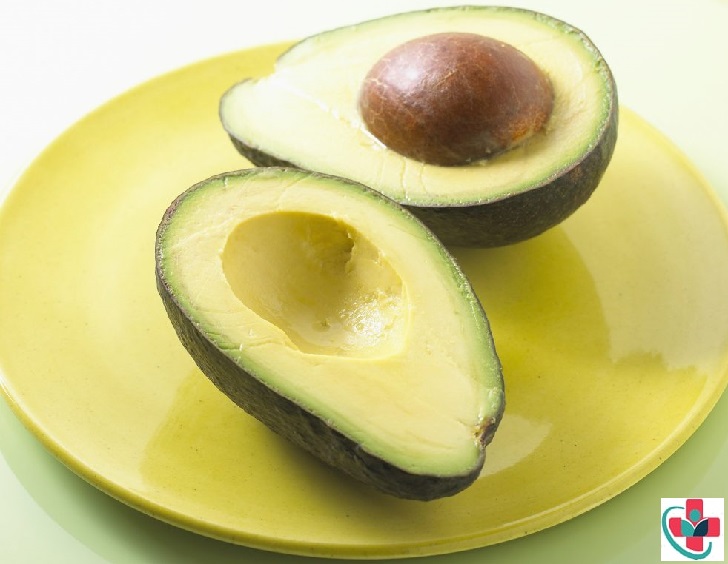
Reason why you should not throw Avocado seed away.

Avocado

You’ve probably been throwing away the healthiest part of your avocado. Avocados are one of the greatest foods of all time, they are also extremely beneficial to your health and remarkably versatile in the kitchen. But did you realize that you might be getting rid of the most beneficial part of the avocado every time you eat one?

  • Avocado seeds make up around 70% of the avocado’s nutritional benefits. Incorporating avocado seeds or avocado seed oil into your diet is a great way to boost your antioxidant and nutrient intake.
  • Avocado seeds have anti-tumor properties due to a condensed flavonol found only in the seeds, in fact, studies with rats with cancer given Avocado Seed powder look promising.
  • Avocado seeds are loaded with soluble fiber. They are said to be among the highest sources of naturally occurring soluble fiber. Soluble fiber is extremely important for your digestion and digestive tract.
  • Because of their high antioxidant content, avocado seeds have the potential to lower cholesterol and decrease your chance of developing heart disease or having a stroke.
  • Try chopping it up in a blender or food processor after being dried and mix with either a mashed banana or half of a mashed avocado for a simple, all-natural facial scrub.
  • You can also treat various aches and pains by making a tea with the avocado seed. Either place half of the seed in boiling water for 10 minutes, or dry out the seed, blend to a powder, and add 1 tablespoon to 1 cup of boiled water. This is great for a stomach ache, and can alternatively be cooled and applied topically to soothe itchy skin.
  • Avocado Seed Oil has been shown in studies to increase collagen in your skin thus helping to keep your skin looking young and wrinkle-free. The oil will make your hair shiny and help get rid of the dry dead skin.
  • Avocado Seeds boost your immune system and keep you from coming down with debilitating diseases. Keeping your immune system high, because antioxidants keep free radicals at bay and slow the aging process.
  • Avocado Seeds seems to have a good anti-inflammatory ability and thus helps with arthritis and other joint diseases

How to cook beans to avoid realizing of gas.

Beans and legumes are very rich in plant protein, fibre, B-vitamins, iron, folate, calcium, potassium, phosphorus, and zinc. Most beans are also low in fat.

Although beans are wonderful source of protein and all the nutrients mentioned above, most people avoid them because of the fear of what might happen in the next minutes and hours. Things like gas, flatulence, farts or even heart burn in some individual.

Bellow are steps or things you can do while cooking your beans that will make you not to fart after eating it.

A. Soak Your Beans in Water.

Scientist have proven and also recommended that soaking your beans in water for some hours will remove the most of the OLIGOSACCHARIDES before you cook. Some persons I interacted with said this worked for them.

B. Soaking Beans with baking soda.

There are many uses of baking soda and one of the uses is its ability to remove flatulence after eating beans.

C. Adding Mould (Aspergillus niger) to your beans.

The reason behind unable to digest beans is because we lack the alpha-galactosidase enzyme in our digestive tract. This mould popularly called aspergillus niger contains the alpha galactosides enzyme. If you sprinkle it on your beans. It will help to break down the Oligosaccharides and eventually prevent one’s large intestine bacteria from creating gases.

D. Adding of Veggies.

While you are cooking the beans, add a whole carrot or dice (cut the carrot with knife into smaller sizes) the carrot into your beans will help a great deal.

E. Adding bitter leaf. (Olubu in Igbo, Ewuro in Yorubal)

Pluck some bitter leaves, do not cut or squeeze as this will make it bitter. Just add the bitter leaves together with the beans you are cooking. Thank me latter.

F. Change the boiling water.

Cook your beans in a pot of water without adding any ingredients. Allow it to boil for about 10 – 15 minutes, then remove the water and put a fresh water. This is my favourite method of cooking beans and I can tell you that it works wonder. It removes those saccharides.

You can equally drop the one you have tried that works for you.

Signs you should never ignore during your period

there are some symptoms medicine says you just shouldn’t ignore.

1.Skipping a period

ok, it might be a blessing you didn’t get your period this month because you’re pregnant. However, there are other causes of not getting your period, such as

  • Significant weight loss – the body needs fat to manufacture hormones
  • Over exercising
  • Continuous use of birth control pills
  • Extreme stress
  • Polycystic ovary syndrome
  • Perimenopause – this could occur if you’re over your 40s and the menopause period is right around the corner

2.Abnormally short or long periods

A normal period is between 2-7 days. Anything below or above that limit is definitely something you should check up with your doctor.

3.Heavy bleeding

As we mentioned, the menstrual flow varies in each menstruation. But, there’s a medical name for an overflowed period – menorrhagia. You have this if you’re soaking through one pad or more in just an hour. Along with the overflow, symptoms are shortness of breath, fatigue or anemia.

If you have olycystic ovaries, polyps or fibroids, bleeding disorders, cancer or endomertriosis, this could be the cause. These are all conditions that have to be diagnosed with a help from your doctor. And if you’re pregnant, go see your doctor ASAP, because heavy complications might follow.

4.Pain in your breasts

During period or even before the period starts, breast pain could endure. Again, the hormones are to blame for this. But however, if the pain doesn’t always coincide with your menstrual cycle, you should schedule an appointment with your doctor.

5.Vomiting or diarrhea

If you’re among the women who has never experienced this, you’re so lucky. The majority of the women experience these symptoms as well. 65% ow all women, to be more precise. However, if this is not normal for you, and you just started experiencing it with your menstrual cycle, you should see your doctor because this might also be indication of PID or similar medical condition.

6.Bleeding between period

Is something you should most definitely never overlook! Here are some things that might cause your body to bleed even if your menstrual cycle hasn’t started yert:

  • Chlamydia, gonorrhea and similar STDs
  • Polycystic ovary syndrome
  • An injury of the v*gina
  • Cervical, ovarian or uterine cancer
  • Uterine polyps or fibroids
  • Miscarriage

If your body just doesn’t feel right, see a doctor, because the health of the reproductive system is one of the most important things a woman should take care about, even if you’re not planning to give birth anymore

Signs of unhealthy vagina

1. Itching and Burning: constant itching and burning sensation indicates the onset of a number of vaginal infections. When the harmful bacteria outnumber the good bacteria in the vagina, the imbalance manifests itself through the physical symptom of itching and burning. A certain amount of yeast is essential to ward off harmful bacteria in the vaginal area. However, an over production of yeast can result in a yeast infection, causing symptoms that include itching and burning.h

Itching can also be a reaction to chemicals or ingredients in soaps, creams, contraceptive foams and prepackaged douching mixtures. These mixtures can alter the bacterial balance and acidity of the vagina that protect it against infections.

2. Smelly Discharge: It’s unlikely for your vagina to smell like a bed of roses, but if you notice a recurrent strong odor, one that even transfers to your undergarments, it might be a sign of an infection. An excess of harmful bacteria causes bacterial vaginosis. A foul-smelling vaginal discharge is often the first and most common symptom of this infection.

A “fishy odor” is one of the major symptoms of bacterial vaginosis, according to a 2011 study published in the International Journal of Women’s Health. This discharge may especially occur after intercourse. Pregnant women who contract bacterial vaginosis run a risk of delivering their baby prematurely, according to the Centers for Disease Control and Prevention. It also increases the risk of contracting sexually transmitted diseases (STDs), including HIV, and may sometimes lead to pelvic inflammatory disease. Therefore, seek medical attention right away if you notice a vaginal odor.

3. Discoloration & Excessive Discharge: Vaginal discharge is the body’s natural mechanism to keep the vagina lubricated and flush out harmful bacteria. Normal vaginal discharge – clear or white and does not give off a bad odor. A brown or red discharge that occurs right after a menstrual cycle is usually not a matter of concern. However, if you experience brown or red discharge on normal days between periods, seek medical attention as it could be indicative of cervical cancer. If it occurs during early pregnancy, it could signify a miscarriage. A green or yellow, smelly and froth-like discharge is not normal and may be a sign of trichomoniasis, an STD. A watery white, gray or yellow discharge might be a symptom of bacterial vaginosis. While the amount of discharge differs from woman to woman, recurrent and excessive discharge may also indicate bacterial vaginosis.

Seek medical attention right away if you notice a discoloration in your vaginal discharge.

4. Abnormal Bleeding: if you experience bleeding between periods, it is a cause for alarm. A menstrual cycle that lasts abnormally long may also be a sign that there’s a problem. If you have reached menopause (absence of menstruation for 12 months) but are still experiencing bleeding and spotting, consult your gynecologist immediately. Post-menopausal bleeding is a crucial symptom and must be immediately diagnosed to prevent its transformation into a malignant disease, according to a 2013 study published in the International Journal of Reproduction, Contraception, Obstetrics and Gynecology. Some women may also notice the passage of blood clots through the vagina post-menopause – another warning sign of an unhealthy vagina and related diseases, such as endometrial polyps (growths in the inner lining of the uterus) or endometrial or cervical cancer.

5. Bleeding During or After Intercourse: while it is common for women who are new to sexual intercourse to experience bleeding, medical attention must be sought if it is a recurring issue in young women. Bleeding during or after intercourse in a woman of any age could indicate a vaginal infection, a vaginal tear (induced by childbirth), STDs like chlamydia or vaginal dryness. The friction produced during intercourse can irritate dry skin and cause spotting. If you have gone through menopause and experience bleeding during or after intercourse, it is a great cause for worry as it could indicate cervical cancer.

Therefore, any abnormal bleeding during or after intercourse needs medical attention as it could have long-lasting and grave consequences.

6. Bumps or Blisters: if you notice a bump on your outer vagina, it might be a symptom of vaginal or vulvar cancer. Vaginal cancer remains one of the least-discussed cancers among women today. Although it is not as common as other cancers in women, a study published in 2000 in The Journal of Reproductive Medicine reported a significant increase in the number of young women contracting vulvar cancer since 1980. A cancerous bump may begin as a mole but change color and texture to transform into a hard bump or lesion. The bump can occur anywhere on the outer vagina, although it is most commonly located near the clitoris. It is usually black or dark brown, but it can also be pink, red or white. Sores and blisters might be symptoms of STDs, such as genital herpes. Seek immediate medical attention if you notice a bump on your outer vagina.

7. Painful Urination: painful urination is most commonly associated with urinary track infections, it can also be a major symptom of a vaginal infection like a yeast infection or bacterial vaginosis. A vaginal infection can occur due to the use of products like creams and soaps that contain certain harmful chemicals. It may also occur from using a chemical-based douche or leaving a tampon in too long. Vaginal infections often cause the vagina to become inflamed and hurt when urine passes through it. Painful urination can also be a symptom of various STDs, including chlamydia and genital herpes. Apart from being painful, the urination may also be inflammatory and the person may suffer constant vaginal itching. If you experience pain while urinating, seek medical attention.

Seeing Irregular Periods: Skipping your period once in a while is fine but if you skip your period frequently, it is important to see a gynecologist. It could be one of the first indications of an issue with your reproductive system.Occasional missed periods are often linked to issues like excessive weight loss or gain, eating disorders like anorexia or bulimia, anemia, a strenuous exercise routine, breastfeeding, emotional stress, some kind of illness, too much traveling, use of unsuitable birth control medication and illegal drugs, even asthma and hay fever.

However, conditions like polycystic ovary syndrome, menopause, or hormonal imbalances can also trigger this problem. So, do see your gynecologist to find out the exact cause. At your appointment, your gynecologist will first rule out the possibility of pregnancy. If the pregnancy report is negative, other tests will be done. Depending upon the cause, treatment will be planned to correct the problem and prevent it from recurring.

Seeing a gynecologist will help find the underlying cause and the best treatment options. Some Dos and Don’ts for Your Visit to your Gynecologist:

-Do look for a gynecologist in your area who you are comfortable talking to about your problem.

-Do keep track of your monthly cycle and bring the information to your appointment.

-Do come up with questions beforehand.

-Do keep a diary with you about your medical history as well as family history.

-Do remain relaxed before your appointment.

-Don’t be shy talking about any problems with your gynecologist.

-Don’t hide your social habits, sexual activity or any health information.

-Don’t have sex the night before your appointment.

-Don’t use yeast medications or douches 24 hours before your appointment.

Useful things you can do with old CD plates.

Never throw away old CDs again they are very important today.

Here are the usefulness ideas of them.

1: Toys.

2:Mirror frame.

3: Soap dish.

4: Candle holder.

5: Curtain.

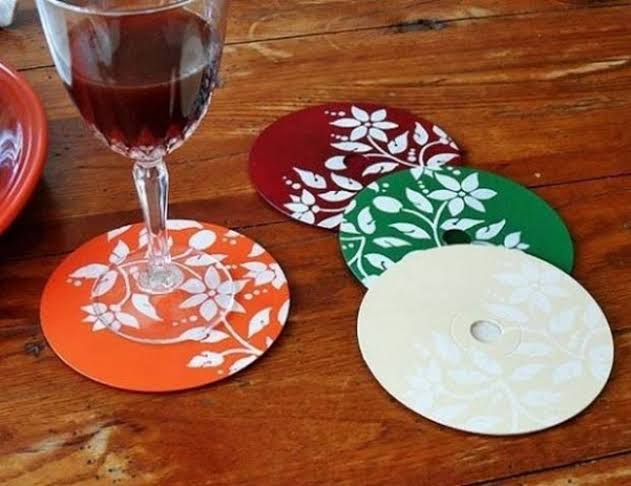
6: Cup holder.

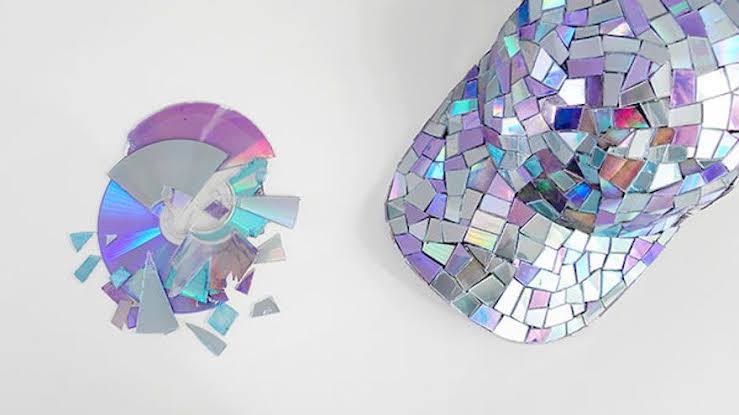
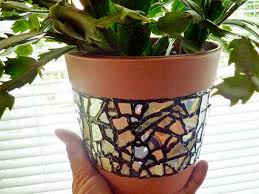
7: Mosaic tiles .

8: Mosaic tables.

9: Bag design.

10; cloth design.

11: shoe design.

12: Christmas tree.

13: Decorations.

14: Sculpture.

15: Light holder.

16: Face cap design.

17: Satellite dish decoration

18: Necklace.

19: small fancy basket

20: Hand mirror

21:Flower vase.

22: Box design.

23: CD roofing.

24: Wall pocket.

25: Saucer Mosaic.

There are many extra things you may do with your CD plates. That is why you should not throw them away.You can even truly use foil to wrap it up and it is able to be used as a saucer.

We stay in a time where humans are learning to turn waste into wealth.

You can create wealth out of old CD plates. It relies upon on how creative you are. It also depends on the trouble you want to solve.

We most effective listed about 25 useful things you may do with vintage CD plates. You can take a step similarly and do your own studies and discern out what beneficial idea you could come up with by converting waste to wealth.

I hope you have learnt more than one thing today

What other things can you do with old CD plates?