1. Don’t drink cold/sparkling water during menstruation.
2. Avoid applying shampoo on the head cause the pores of head are open during period & cause a headache so it’s very dangerous & this can be cut when you’re young or later when you get older.
3. Avoid eating cucumbers during period cause sap in the cucumber may block period (blood loss)in the uterine wall&may cause sterility.
4. Your body shouldn’t be hit by hard objects specially the abdomen as it can cause vomiting & uterus can be injured.
5. Drinking ice during period can cause menstrual blood to remain in the uterine wall after (5_10)years can cause “uterine or tumor cancer”
most challenging aspects of weight loss is cutting back on calories. Many low-calorie foods can leave you feeling hungry and unfulfilled between meals, making it much more tempting to overeat and indulge.
There are plenty of healthy foods that exist, which has both fillings and equally low in calories.
Below, are the 7 low calorie foods you want to stock your office fridge and house with.
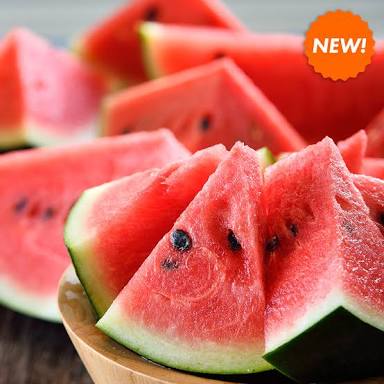
1. Watermelon
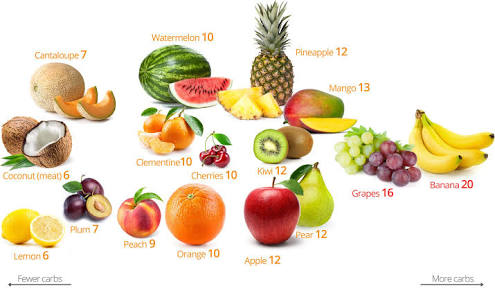
Watermelon has a high water content to keep you hydrated and full while supplying a minimal number of calories. One cup (152 grams) of diced watermelon contains 46 calories alongside an assortment of essential micronutrients like vitamins A and C (44).[20]
Eating foods with a low-calorie density, such as watermelon, has been shown to have similar effects on feelings of fullness and hunger compared to high-calorie-density foods.
Plus, foods with a lower calorie density have been linked to lower body weight and decreased calorie intake.
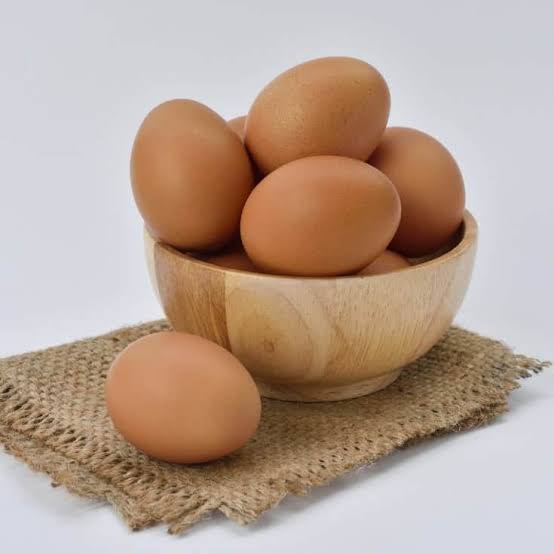
2. Eggs
Eggs are extremely nutrient-dense, as they’re low in calories but rich in many vital nutrients. A single large egg has approximately 72 calories, 6 grams of protein and a wide array of important vitamins and minerals.
Studies suggest that starting your day with a serving of eggs can reduce hunger and boost fullness. In a study in 30 women, those who ate eggs for breakfast instead of a bagel experienced greater feelings of fullness and consumed 105 fewer calories later in the day
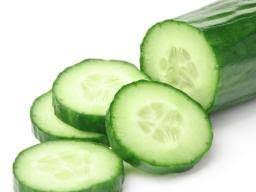
3. Cucumber
Cucumber is a widely cultivated plant in the gourd family, Cucurbitaceae. It is a creeping vine that bears cucumiform fruits that are used as vegetables. There are three main varieties of cucumber: slicing, pickling, and seedless. Within these varieties, several cultivars have been created.
It’s high in nutrients. Cucumbers are low in calories but high in many important vitamins and minerals. It contains Antioxidants, it is very good in hydration. It aid in weight loss and has lower blood sugar. It also promotes regularity and easily to add to your diet.
4. Greek Yoghurt
Greek yoghurt is a great source of protein that can help curb cravings and promote weight loss.
Though the exact numbers vary between brands and flavors, a 2/3-cup (150-gram) serving of Greek yoghurt typically provides about 130 calories and 11 grams of protein.[1]
One study in 20 women examined how a high-protein yoghurt snack affected appetite compared to unhealthy high-fat snacks like chocolate or crackers.[2] Not only did the women who ate yoghurt experience less hunger, but they also consumed 100 fewer calories at dinner than those who ate crackers or chocolate.
Meanwhile, in another study in 15 women, high-protein Greek yoghurt helped reduce hunger and increase feelings of fullness compared to lower-protein snacks.
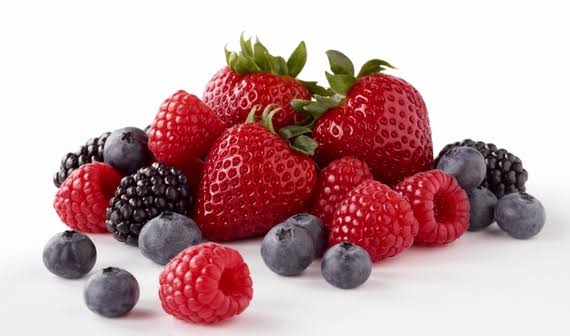
5. Berries
Berries — including strawberries, blueberries, raspberries and blackberries — are loaded with vitamins, minerals and antioxidants that can optimize your health. Their high fiber content also boosts weight loss and reduces hunger. For example, 1 cup (148 grams) of blueberries supplies just 84 calories but packs 3.6 grams of fiber.
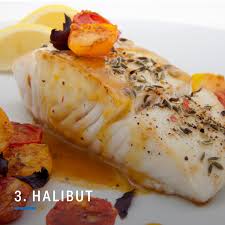
6. Fish
Fish is rich in protein and heart-healthy fats. For instance, Halibut, cod and so on. A 3-ounce (85-gram) serving of cod provides over 15 grams of protein and under 70 calories.
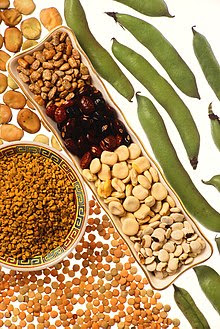
7. Legumes
Legumes have a powerful effect on hunger and appetite. One study in 43 young men noted that a high-protein meal with beans and peas increased feelings of fullness and reduced appetite and hunger more than a high-protein meal with veal and pork
Because of their high protein and fiber content, legumes such as beans, peas and lentils can be incredibly filling. One cup (198 grams) of cooked lentils provides about 230 calories, as well as 15.6 grams of fiber and nearly 18 grams of protein.[17]
Another review of nine studies reported that people felt 31% more full after eating pulses, a type of legume, compared to high-carb meals of pasta and bread.
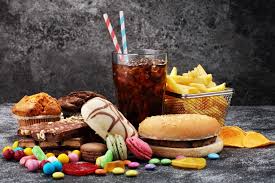
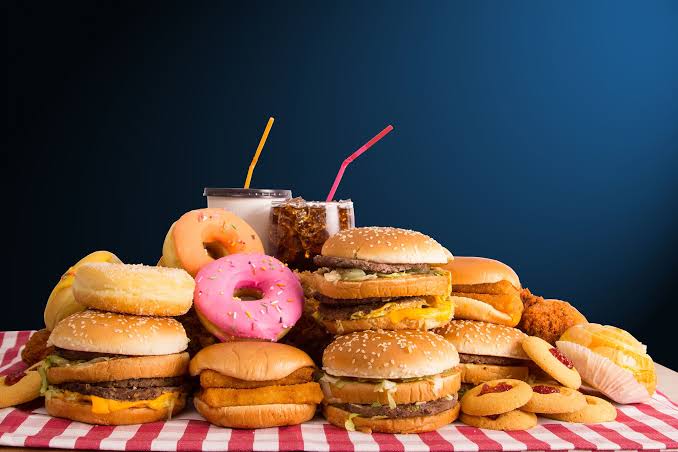
A lot of ailments we suffer today are mostly due to unhealthy feeding habits we get involved in
Some food eat can adversely affect us, they are easily prepared but we do not know what detriment all these have on our body.
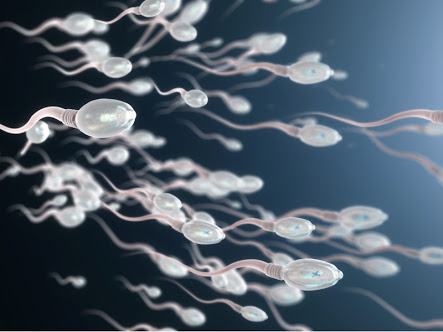
In most recent times, a lot of things can cause a drop in sperm counts. Some attribute it to men resting laptops on their laps, others say it the heat from cellphone we put inside our side pockets. The truth is what we eat also plays a major role in this situation. Don’t allow the wrong choice of diet to kill your potential generations.
Here Are 3 Foods That Affect The Sperm Negatively.
1. Trans Fats
This kind of fats increases the risk of heart diseases. Research also recently proved that increased intake of trans fats are linked with a decrease in sperm counts.
2. High Fat Dairy Products
Research has proved that milk with a very high-fat content was associated with decreased sperm motility and abnormal sperm shape. A time traces of steroid hormones injected in cows are found in these products.
3.Processed Meats
These include hotdogs, beef jerky, bacon, salami, sausages, and others, of course, they are quite delicious. But talking about a healthy sperm. So many studies have proved that processed red meats affect sperm counts and motility negatively.
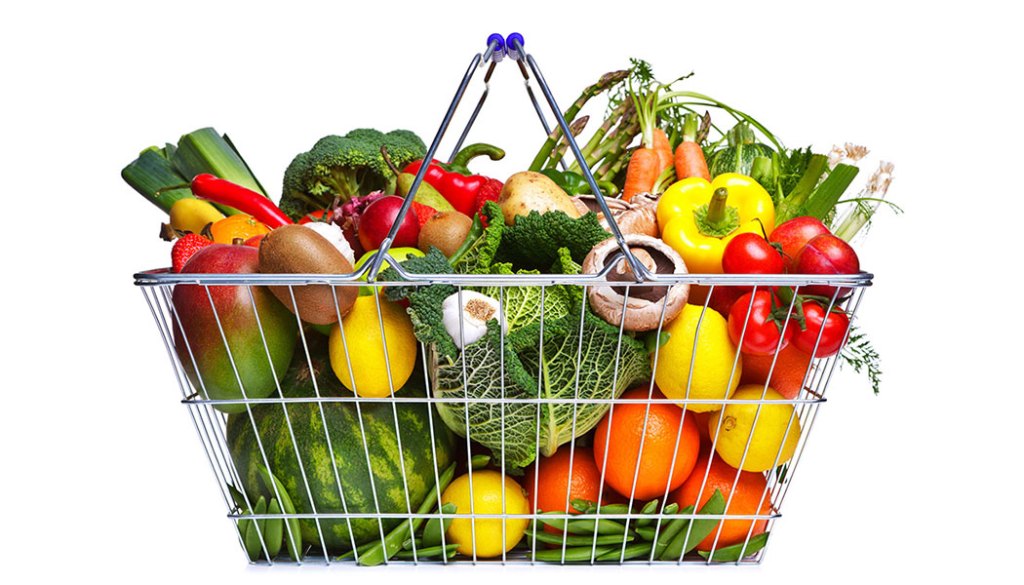
Vegetables and fruit are a handy snack food and are easily carried to work or school. Include them in everyone’s meals and snacks for a healthy, well-balanced diet. Some suggestions include:
Keep snack-size fruit and vegetable portions easily accessible in your fridge.
Keep fresh fruit on the bench or table.
Add fruit and vegetables to your favourite family recipes or as additions to your usual menus.
Use the colour and texture of a variety of fruit and vegetables to add interest to your meals.
Think up new ways to serve fruits and vegetables.
Some simple ways to serve fruits and vegetables include:
fruit and vegetable salads
vegetable or meat-and-vegetable stir-fries
raw fruit and vegetables
vegetable soups
snack pack, stewed or canned fruits or dried fruits.
Limit fruit juice, as it does not contain the same amount of nutrients as fresh fruit. It also contains a lot of sugars. These sugars are not necessarily good for your health, even though they are ‘natural’. Instead, have a drink of water and a serve of fruit.
*Base your diet on plenty of foods rich in carbohydrates.
*Replace saturated with unsaturated fat.
*Enjoy plenty of fruits and vegetables.
*Reduce salt and sugar intake.
*Eat regularly, control the portion size.
*Drink plenty of fluids.
* a healthy body weight.
*Get on the move, make it a habit!
*Start now! And keep changing gradually.
1. Eat a variety of foods
For good health, we need more than 40 different nutrients, and no single food can supply them all. It is not about a single meal, it is about a balanced food choice over time that will make a difference!
A high-fat lunch could be followed by a low-fat dinner.
After a large meat portion at dinner, perhaps fish should be the next day’s choice?
2. Base your diet on plenty of foods rich in carbohydrates
About half the calories in our diet should come from foods rich in carbohydrates, such as cereals, rice, pasta, potatoes, and bread. It is a good idea to include at least one of these at every meal. Wholegrain foods, like wholegrain bread, pasta, and cereals, will increase our fibre intake.
3. Replace saturated with unsaturated fat
Fats are important for good health and proper functioning of the body. However, too much of it can negatively affect our weight and cardiovascular health. Different kinds of fats have different health effects, and some of these tips could help us keep the balance right:
We should limit the consumption of total and saturated fats (often coming from foods of animal origin), and completely avoid fats; reading the labels helps to identify the sources.
Eating fish 2-3 times a week, with at least one serving of oily fish, will contribute to our right intake of unsaturated fats.
When cooking, we should boil, steam or bake, rather than frying, remove the fatty part of meat, use vegetable oils.
4. Enjoy plenty of fruits and vegetables
Fruits and vegetables are among the most important foods for giving us enough vitamins, minerals and fibre. We should try to eat at least 5 servings a day. For example, a glass of fresh fruit juice at breakfast, perhaps an apple and a piece of watermelon as snacks, and a good portion of different vegetables at each meal.
5. Reduce salt and sugar intake
A high salt intake can result in high blood pressure, and increase the risk of cardiovascular disease. There are different ways to reduce salt in the diet:
When shopping, we could choose products with lower sodium content.
When cooking, salt can be substituted with spices, increasing the variety of flavours and tastes.
When eating, it helps not to have salt at the table, or at least not to add salt before tasting.
Sugar provides sweetness and an attractive taste, but sugary foods and drinks are rich in energy, and are best enjoyed in moderation, as an occasional treat. We could use fruits instead, even to sweeten our foods and drinks.
6. Eat regularly, control the portion size
Eating a variety of foods, regularly, and in the right amounts is the best formula for a healthy diet.
Skipping meals, especially breakfast, can lead to out-of-control hunger, often resulting in helpless overeating. Snacking between meals can help control hunger, but snacking should not replace proper meals. For snacks, we could choose yoghurt, a handful of fresh or dried fruits or vegetables (like carrot sticks), unsalted nuts, or perhaps some bread with cheese.
Paying attention to portion size will help us not to consume too much calories, and will allow us to eat all the foods we enjoy, without having to eliminate any.
Cooking the right amount makes it easier to not overeat.
Some reasonable serving sizes are: 100 g of meat; one medium piece of fruit; half a cup of raw pasta.
Using smaller plates helps with smaller servings.
Packaged foods, with calorie values on the pack, could aid portion control.
If eating out, we could share a portion with a friend.
7. Drink plenty of fluids
Adults need to drink at least 1.5 litres of fluid a day! Or more if it’s very hot or they are physically active. Water is the best source, of course, and we can use tap or mineral water, sparkling or non-sparkling, plain or flavoured. Fruit juices, tea, soft drinks, milk and other drinks, can all be okay – from time to time.
8. Maintain a healthy body weight
The right weight for each depends on factors like our gender, height, age, and genes. Being affected by obesity and overweight increases the risks of a wide range of diseases, including diabetes, heart diseases, and cancer.
Excess body fat comes from eating more than we need. The extra calories can come from any caloric nutrient – protein, fat, carbohydrate, or alcohol, but fat is the most concentrated source of energy. Physical activity helps us spend the energy, and makes us feel good. The message is reasonably simple: if we are gaining weight, we need to eat less and be more active!
9. Get on the move, make it a habit!
Physical activity is important for people of all weight ranges and health conditions. It helps us burn off the extra calories, it is good for the heart and circulatory system, it maintains or increases our muscle mass, it helps us focus, and improves overall health well-being. We don’t have to be top athletes to get on the move! 150 minutes per week of moderate physical activity is advised, and it can easily become part of our daily routine. We all could:
use the stairs instead of the elevator,
go for a walk during lunch breaks (and stretch in our offices in between)
make time for a family weekend activity.
10. Start now! And keep changing gradually.
Gradual changes in our lifestyle are easier to maintain than major daily could be a great first move.
Fruits not only have minerals and vitamins but also help reduce weight loss naturally.
Shedding weight is not easy at all, it can prove to be tiring and cumbersome. So my advice is don’t give up and keep working according to your fitness goals. you will definitely see positive results.
Here are some fruits that help reduce weight loss and belly fat naturally :
1. Carrots
-They are very low in calories, they help in bile secretion which burns fat and aids weight loss. They satisfy easily without adding weight or added fat. Importantly, they are cheap and available around us.
2. Orange
-These are the most effective, because it contains less calories than what your body is required to burn. It has zero fat, they are a rich source of antioxidants, which makes it a weight loss friendly fruit. It is one of the fruits that have the lowest amount of calories, thereby aiding reduction of belly fat.
3. Pineapple
-This is also a very good fruit for weight loss, helps in metabolising protein which burns fat through an enzyme called bromelain. It also has some dietary fibres which control blood sugar level,which makes you easily satisfied and eat less.
4. Guava
-This is also another one that helps reduce weight loss,because they contain very few amount of calories, they are a very rich in dietary fibres, which fulfills 12% of your recommended intake of fibre for a day, it regulates metabolism and fat. It also aid weight loss, reduction of belly fat.


 Chioma Business Blog