How to make tomato paste with just 4 recipes .

Homemade tomato paste is an entirely different and utterly more delicious, better than the kind you can buy at the supermarket. It takes about a day to make, and in the end, you’ll have enough tomato paste to last you through several cooking projects. 
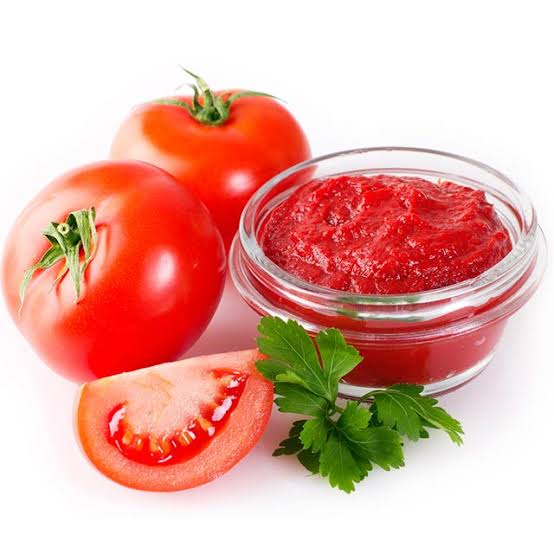
When you make it yourself, you get to choose the tomatoes you use, and thus the flavor of the finished concentrate. Slow-cooking also gives the paste a hearty, rich flavor unlike the store-bought counterpart.

Here is how u can make tomato paste.

INGREDIENTS

10 pounds tomatoes 

2 tablespoons olive oil

2 teaspoons sea salt

1/2 teaspoon citric acid, or 2 tablespoons bottled lemon juice

EQUIPMENT

Cutting board

chef’s knife

Large pot

Food mill, and sieve

2 rimmed baking sheets or 1 roasting pan

ounce jars, for storing

INSTRUCTIONS

Preheat the oven to 350°F. Arrange 2 racks to divide the oven into thirds and heat to 350°F.

Chop tomatoes into quarters.

* If you’re using plum tomatoes, cut them in half lengthwise. If you’re using large, round tomatoes, cut them into quarters.

Simmer the tomatoes with the olive oil. Place the olive oil in a large pot over medium-high heat until shimmering. Add the tomatoes and cook until soft and the peels begin to detach from the tomato flesh.

Push the warm tomatoes through a food mill and sieve to separate the tomato pulp from the seeds and skins. Stir the sea salt and citric acid or lemon juice into the pulp. Discard the seeds and skins.

Divide the tomato pulp between 2 large, rimmed baking sheets. You can also use a large roasting pan, but it will take longer to cook down that way.
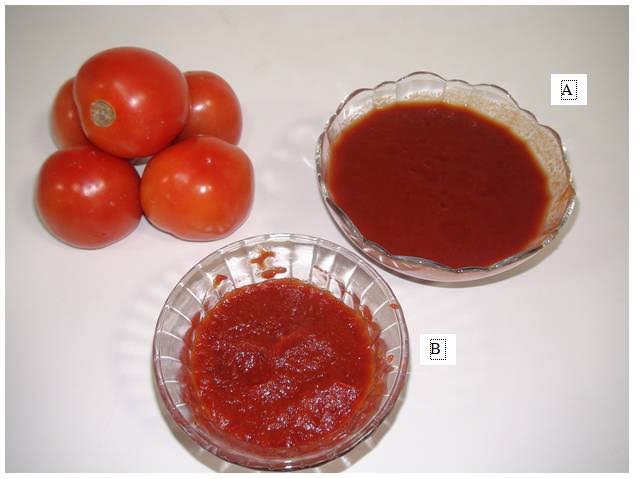
Bake the tomato pulp until reduced to a paste. Place the baking sheets in the oven. Check the tomatoes every half hour, stirring the paste and switching the position of the baking sheets so that they reduce evenly. Over time, the paste will start to reduce to the point where it doesn’t fill the baking sheet any more. At this point, combine the contents of the two baking sheets into one and continue to bake.

Bake until reduced by more than half. The paste is done when shiny, brick-colored, and reduced by more than half, 3 to 4 hours, though exact baking times will depend on the juiciness of your tomatoes. There shouldn’t be any remaining water or moisture separating from the paste at this point.

Let the tomato paste cool to room temperature.

How to preserve it in a can

Use a spoon and transfer the paste to a clean jar, tamping it down to make sure there are no air pockets. Level the surface with the back of the spoon. Cover the surface completely with olive oil so that the paste isn’t exposed. Screw the lid on the jar.

After you fill each jar with tomatoes, add 1 teaspoon of lemon juice per half pint jar or 2 teaspoons of lemon juice per pint jar. This helps to reduce the odds of spoilage and to retain color and flavor. Then make sure it is filled to 1/4-inch of the top with paste.

Put the lids and rings on Just screw them on snugly, not too tight. If the is any tomato on the surface of the lip of the jar, wipe it off first with a clean dry cloth or paper towel.

Be sure the contact surfaces (top of the jar and underside of the ring) are clean to get a good seal! 

Boil the jars in the water bath canner Put them in the canner and keep them covered with at least 1 inch of water. Keep the water boiling. Process the jars in a boiling-water bath for 45 minutes for half-pint or pint jars. Larger jars are not recommended, but you may use smaller jars at the same processing duration.

Lift the jars out of the water and let them cool without touching or bumping them in a draft-free place (usually takes overnight) You can then remove the rings if you like, but if you leave them on, at least loosen them quite a bit, so they don’t rust in place due to trapped moisture.

Once the jars are cool, you can check that they are sealed verifying that the lid has been sucked down.

Note: if you want to freeze the paste instead, just let the paste cool to room temperature, then fill your freezer containers (I like Ziploc freezer bags in the quart size), fill them completely, eliminate air pockets, seal them and pop them in the freezer. You’re done! 
How to lose belly fat and lose weight within a month.

Improve your health and lose weight quickly with:

– Lemon

– Ginger

– 2 Cucumber

– 1 pineapple

– Citronelle

– lemon grass

Optional (mints, parsley …)

1. Pound or blend: ginger, pineapple, cucumber, lemongrass, mint, boil with plenty of water and extract the juice by sieving

2. Squeeze the lemon separately, except for those that can withstand the bitter taste of boiled lemons with the skin.

Extract the juice then mixed with the other juice u extracted earlier.

3. Load bottles (everything will depend on your quantities)

4. Drink 1 lukewarm glass of 250 ml in the morning on an empty stomach and 1 drink in the evening at bedtime.

This recipe holds for months in the cool,

Pineapple gives a natural and pleasant sweetness to the mixture,

Lemongrass / mint improves the taste.

Not recommended for pregnant and lactating women and / or suffering from gastric pain.

In addition to all the virtues of water, this drink:

– Burns belly fat

– Cut hunger and appetite

– Facilitates weight loss

– And reduces acne and pimples (hydration)

– Very effective against bad breath

– Super super effective against constipation.

To be more effective, practice a lot of physical activities and improve your diet.

You can as well be doing exercise like sit-up, yoya, bridges and also watch what you eat.

Do you know you can soak cucumber with cold water overnight, and drink it on an Empty stomach to cure infection.

Method of preparations 

1: Get a cucumber wash it very well. 

2: Get a bowl of water drenched the cucumber inside and spread it leave it short-term. 

3: The following morning expel the cucumber from the water add little milk and sHoneyto taste then you drink on an unfilled stomach once in a day.

   Effect of the above mixture. 

1: It reduces breathlessness.

2: Minimizes cancer risk.

3:It helps manage stress.

4: Controls blood pressure.

5: Helps your body flush out toxins

6: It cures ulcer / stomach ache.

7: Helps maintain healthy body.

Do you know you can lose weight with intermittent fasting diet.

What is intermittent fasting diet? Intermittent fasting , also known as intermittent energy restriction, is an umbrella term for various meal timing schedules that cycle between voluntary fasting (or reduced calories intake) and non-fasting over a given period. Non-caloric, and sometimes low-caloric, drinks can be used during intermittent fasting, contrary to strict fasting which disallows fluid intake in some religious practices.

Let me break it down, intermittent fasting doesn’t mean you will stay without food for the whole day,no you will eat everyday,but you will have to skip a meal everyday,reduce the portion of the food you eat and you will have to schedule your eating hours and follow it regularly.

For example,you eat by 11am,your next meal will be by 6pm till the next day 11am.

When calculate the hour we ate last which is 6pm till the next time meal which will be 11am,we have fasted for 17hours. Yes, this is how it is done,you can reduce or increase your hours if you want. It all depends on you.

Note,ulcer patients please take note,this is not for you,so if you are an ulcer patient please stay away from intermittent fasting.

Then you can snack in between meals but let the snack be strictly fruits.

Portion control is another thing we have to look out for during this period. Eat small portions of food instead of large plate of swallow.

Try it for one week then you will see the difference.

Try to walk a lot during this period, it also helps.

I hope we follow the rules strictly, only then can it work for us.

Please don’t forget to like,share and comment.

The 5 things girls should take care during period.

1. Don’t drink cold/sparkling water during menstruation.

2. Avoid applying shampoo on the head cause the pores of head are open during period & cause a headache so it’s very dangerous & this can be cut when you’re young or later when you get older.

3. Avoid eating cucumbers during period cause sap in the cucumber may block period (blood loss)in the uterine wall&may cause sterility.

4. Your body shouldn’t be hit by hard objects specially the abdomen as it can cause vomiting & uterus can be injured.

5. Drinking ice during period can cause menstrual blood to remain in the uterine wall after (5_10)years can cause “uterine or tumor cancer”

Please distribute this information to many women.

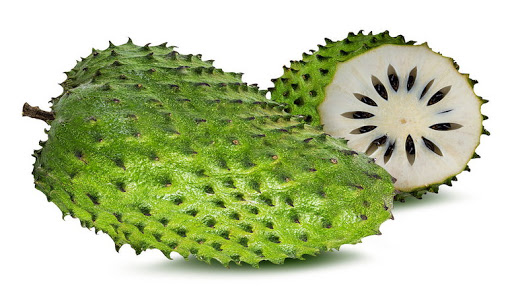
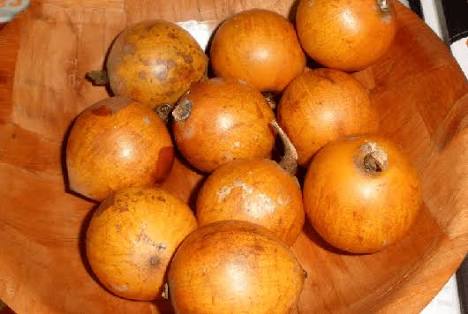
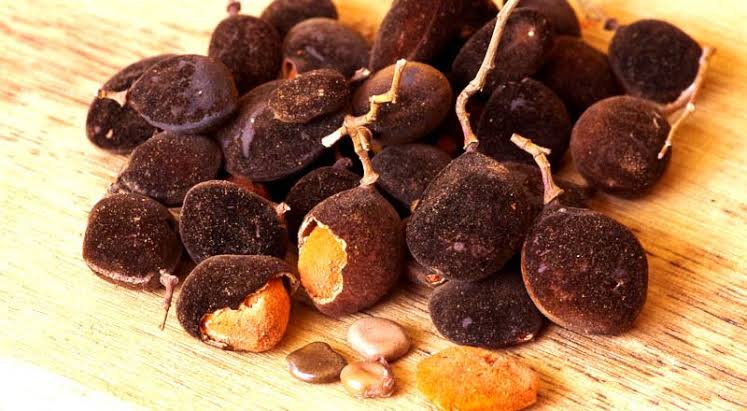
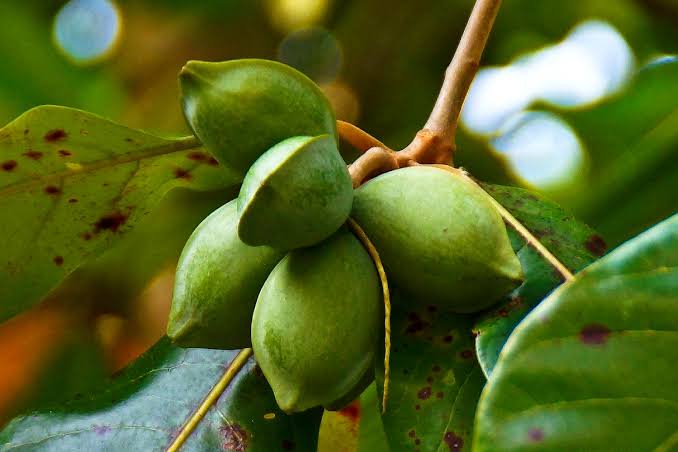
Fruits that a lot of people didn’t know what they are called in English.

There are various fruits that people don’t know their real English names. They only know their local names alone.

Here, are the few fruits that I want to show you and let’s find out what they are called in English.

1. Shawa shop = Soursop

2. Udala; Agbalumo = African star apple

3. Icheku; Licky -Licky =Black velvet Tamarind

4. Fruit = Tropical Almond

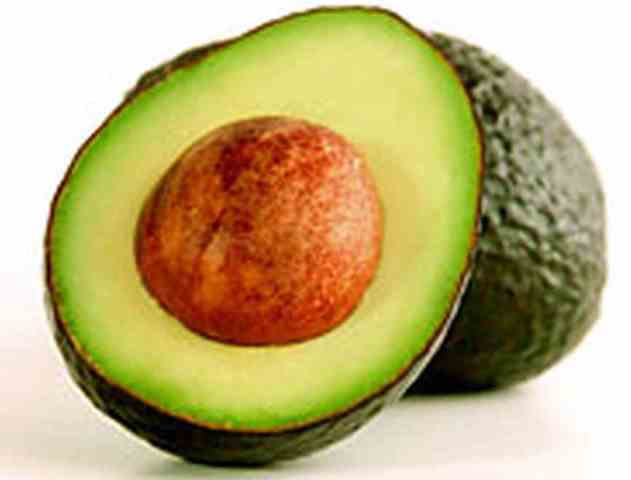
5. Ube bekee = Ghana Pear; Avocado

6. Ube mgbe; ube nta = African Elemi

7. Ube = African pear

8. Apple = Rose Apples

9. Cherry = Pitanga Berries

And so on.

7 Best foods with low calorie that will help you to lose weight fast.

most challenging aspects of weight loss is cutting back on calories. Many low-calorie foods can leave you feeling hungry and unfulfilled between meals, making it much more tempting to overeat and indulge.

There are plenty of healthy foods that exist, which has both fillings and equally low in calories.

Below, are the 7 low calorie foods you want to stock your office fridge and house with.

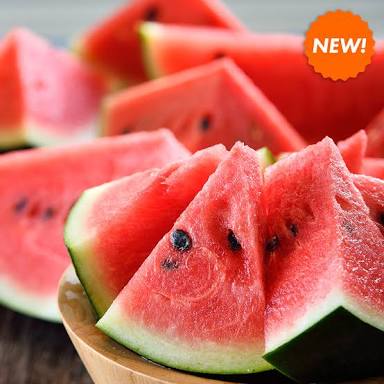
1. Watermelon

Watermelon has a high water content to keep you hydrated and full while supplying a minimal number of calories. One cup (152 grams) of diced watermelon contains 46 calories alongside an assortment of essential micronutrients like vitamins A and C (44).[20]

Eating foods with a low-calorie density, such as watermelon, has been shown to have similar effects on feelings of fullness and hunger compared to high-calorie-density foods.

Plus, foods with a lower calorie density have been linked to lower body weight and decreased calorie intake.

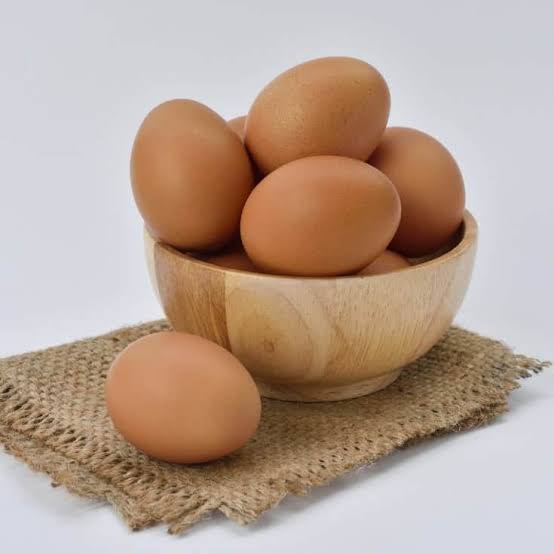
2. Eggs


Eggs are extremely nutrient-dense, as they’re low in calories but rich in many vital nutrients. A single large egg has approximately 72 calories, 6 grams of protein and a wide array of important vitamins and minerals.

Studies suggest that starting your day with a serving of eggs can reduce hunger and boost fullness. In a study in 30 women, those who ate eggs for breakfast instead of a bagel experienced greater feelings of fullness and consumed 105 fewer calories later in the day

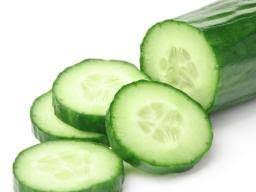
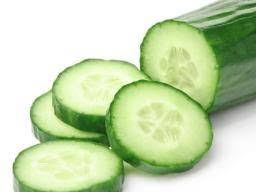
3. Cucumber

Cucumber is a widely cultivated plant in the gourd family, Cucurbitaceae. It is a creeping vine that bears cucumiform fruits that are used as vegetables. There are three main varieties of cucumber: slicing, pickling, and seedless. Within these varieties, several cultivars have been created.

Energy: 15.54 Calories (per 100 g)Potassium: 147 mg (per 100 g)Vitamin c: 2.8 mg (per 100 g)Protein: 650 mg (per 100 g)Scientific name: Cucumis sativusOther constituents: Quantity

It’s high in nutrients. Cucumbers are low in calories but high in many important vitamins and minerals. It contains Antioxidants, it is very good in hydration. It aid in weight loss and has lower blood sugar. It also promotes regularity and easily to add to your diet.

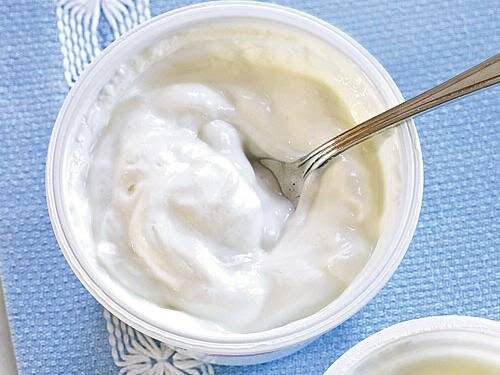
4. Greek Yoghurt


Greek yoghurt is a great source of protein that can help curb cravings and promote weight loss.

Though the exact numbers vary between brands and flavors, a 2/3-cup (150-gram) serving of Greek yoghurt typically provides about 130 calories and 11 grams of protein.[1]

One study in 20 women examined how a high-protein yoghurt snack affected appetite compared to unhealthy high-fat snacks like chocolate or crackers.[2] Not only did the women who ate yoghurt experience less hunger, but they also consumed 100 fewer calories at dinner than those who ate crackers or chocolate.

Meanwhile, in another study in 15 women, high-protein Greek yoghurt helped reduce hunger and increase feelings of fullness compared to lower-protein snacks.

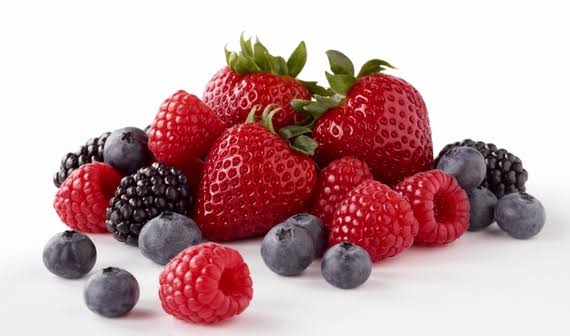
5. Berries

Berries — including strawberries, blueberries, raspberries and blackberries — are loaded with vitamins, minerals and antioxidants that can optimize your health. Their high fiber content also boosts weight loss and reduces hunger. For example, 1 cup (148 grams) of blueberries supplies just 84 calories but packs 3.6 grams of fiber.

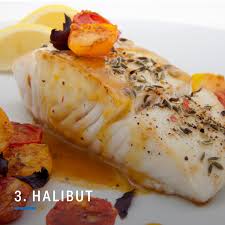
6. Fish

Fish is rich in protein and heart-healthy fats. For instance, Halibut, cod and so on. A 3-ounce (85-gram) serving of cod provides over 15 grams of protein and under 70 calories.

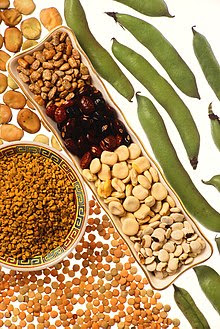
7. Legumes

Legumes have a powerful effect on hunger and appetite. One study in 43 young men noted that a high-protein meal with beans and peas increased feelings of fullness and reduced appetite and hunger more than a high-protein meal with veal and pork

Because of their high protein and fiber content, legumes such as beans, peas and lentils can be incredibly filling. One cup (198 grams) of cooked lentils provides about 230 calories, as well as 15.6 grams of fiber and nearly 18 grams of protein.[17]

Another review of nine studies reported that people felt 31% more full after eating pulses, a type of legume, compared to high-carb meals of pasta and bread.

Foods that causes damage to the sperm cell

A lot of ailments we suffer today are mostly due to unhealthy feeding habits we get involved in

Some food eat can adversely affect us, they are easily prepared but we do not know what detriment all these have on our body.

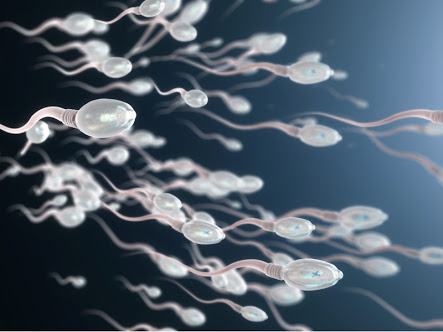
In most recent times, a lot of things can cause a drop in sperm counts. Some attribute it to men resting laptops on their laps, others say it the heat from cellphone we put inside our side pockets. The truth is what we eat also plays a major role in this situation. Don’t allow the wrong choice of diet to kill your potential generations.

Here Are 3 Foods That Affect The Sperm Negatively.

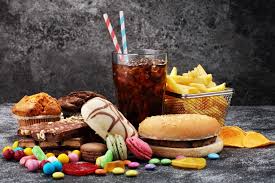
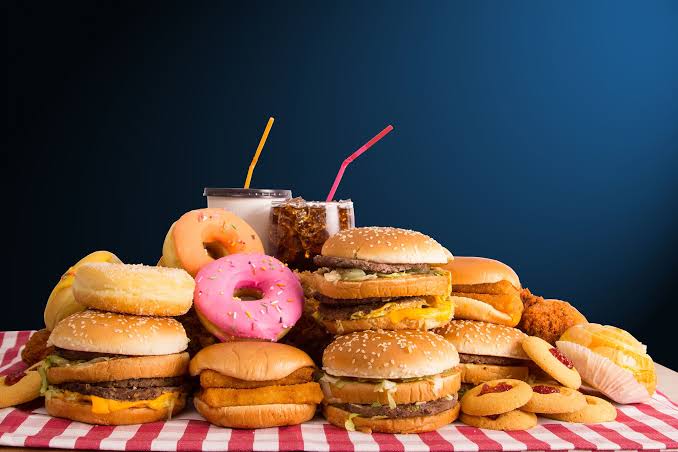
1. Trans Fats

This kind of fats increases the risk of heart diseases. Research also recently proved that increased intake of trans fats are linked with a decrease in sperm counts.

2. High Fat Dairy Products

Research has proved that milk with a very high-fat content was associated with decreased sperm motility and abnormal sperm shape. A time traces of steroid hormones injected in cows are found in these products.

3.Processed Meats

These include hotdogs, beef jerky, bacon, salami, sausages, and others, of course, they are quite delicious. But talking about a healthy sperm. So many studies have proved that processed red meats affect sperm counts and motility negatively.

Fruits and vegetables required for family’s health.

Vegetables and fruit are a handy snack food and are easily carried to work or school. Include them in everyone’s meals and snacks for a healthy, well-balanced diet. Some suggestions include:

  • Keep snack-size fruit and vegetable portions easily accessible in your fridge.
  • Keep fresh fruit on the bench or table.
  • Add fruit and vegetables to your favourite family recipes or as additions to your usual menus.
  • Use the colour and texture of a variety of fruit and vegetables to add interest to your meals.
  • Think up new ways to serve fruits and vegetables.

Some simple ways to serve fruits and vegetables include:

  • fruit and vegetable salads
  • vegetable or meat-and-vegetable stir-fries
  • raw fruit and vegetables
  • vegetable soups
  • snack pack, stewed or canned fruits or dried fruits.

Limit fruit juice, as it does not contain the same amount of nutrients as fresh fruit. It also contains a lot of sugars. These sugars are not necessarily good for your health, even though they are ‘natural’. Instead, have a drink of water and a serve of fruit.

Healthy foods that keeps the b

*Eat a variety of foods.

*Base your diet on plenty of foods rich in carbohydrates.

*Replace saturated with unsaturated fat.

*Enjoy plenty of fruits and vegetables.

*Reduce salt and sugar intake.

*Eat regularly, control the portion size.

*Drink plenty of fluids.

* a healthy body weight.

*Get on the move, make it a habit!

*Start now! And keep changing gradually.

1. Eat a variety of foods 

For good health, we need more than 40 different nutrients, and no single food can supply them all. It is not about a single meal, it is about a balanced food choice over time that will make a difference!

A high-fat lunch could be followed by a low-fat dinner.

After a large meat portion at dinner, perhaps fish should be the next day’s choice?

2. Base your diet on plenty of foods rich in carbohydrates

About half the calories in our diet should come from foods rich in carbohydrates, such as cereals, rice, pasta, potatoes, and bread. It is a good idea to include at least one of these at every meal. Wholegrain foods, like wholegrain bread, pasta, and cereals, will increase our fibre intake.

3. Replace saturated with unsaturated fat

Fats are important for good health and proper functioning of the body. However, too much of it can negatively affect our weight and cardiovascular health.  Different kinds of fats have different health effects, and some of these tips could help us keep the balance right:

We should limit the consumption of total and saturated fats (often coming from foods of animal origin), and completely avoid fats; reading the labels helps to identify the sources.

Eating fish 2-3 times a week, with at least one serving of oily fish, will contribute to our right intake of unsaturated fats.

When cooking, we should boil, steam or bake, rather than frying, remove the fatty part of meat, use vegetable oils.

4. Enjoy plenty of fruits and vegetables

Fruits and vegetables are among the most important foods for giving us enough vitamins, minerals and fibre. We should try to eat at least 5 servings a day. For example, a glass of fresh fruit juice at breakfast, perhaps an apple and a piece of watermelon as snacks, and a good portion of different vegetables at each meal.

5. Reduce salt and sugar intake

A high salt intake can result in high blood pressure, and increase the risk of cardiovascular disease. There are different ways to reduce salt in the diet:

When shopping, we could choose products with lower sodium content.

When cooking, salt can be substituted with spices, increasing the variety of flavours and tastes.

When eating, it helps not to have salt at the table, or at least not to add salt before tasting.

Sugar provides sweetness and an attractive taste, but sugary foods and drinks are rich in energy, and are best enjoyed in moderation, as an occasional treat. We could use fruits instead, even to sweeten our foods and drinks.

6. Eat regularly, control the portion size

Eating a variety of foods, regularly, and in the right amounts is the best formula for a healthy diet.

Skipping meals, especially breakfast, can lead to out-of-control hunger, often resulting in helpless overeating. Snacking between meals can help control hunger, but snacking should not replace proper meals. For snacks, we could choose yoghurt, a handful of fresh or dried fruits or vegetables (like carrot sticks), unsalted nuts, or perhaps some bread with cheese.

Paying attention to portion size will help us not to consume too much calories, and will allow us to eat all the foods we enjoy, without having to eliminate any.

Cooking the right amount makes it easier to not overeat.

Some reasonable serving sizes are: 100 g of meat; one medium piece of fruit; half a cup of raw pasta.

Using smaller plates helps with smaller servings.

Packaged foods, with calorie values on the pack, could aid portion control.

If eating out, we could share a portion with a friend.

7. Drink plenty of fluids

Adults need to drink at least 1.5 litres of fluid a day! Or more if it’s very hot or they are physically active. Water is the best source, of course, and we can use tap or mineral water, sparkling or non-sparkling, plain or flavoured. Fruit juices, tea, soft drinks, milk and other drinks, can all be okay – from time to time.

8. Maintain a healthy body weight

The right weight for each depends on factors like our gender, height, age, and genes. Being affected by obesity and overweight increases the risks of a wide range of diseases, including diabetes, heart diseases, and cancer.

Excess body fat comes from eating more than we need. The extra calories can come from any caloric nutrient – protein, fat, carbohydrate, or alcohol, but fat is the most concentrated source of energy. Physical activity helps us spend the energy, and makes us feel good. The message is reasonably simple: if we are gaining weight, we need to eat less and be more active!

9. Get on the move, make it a habit!

Physical activity is important for people of all weight ranges and health conditions. It helps us burn off the extra calories, it is good for the heart and circulatory system, it maintains or increases our muscle mass, it helps us focus, and improves overall health well-being. We don’t have to be top athletes to get on the move! 150 minutes per week of moderate physical activity is advised, and it can easily become part of our daily routine. We all could:

use the stairs instead of the elevator,

go for a walk during lunch breaks (and stretch in our offices in between)

make time for a family weekend activity.

10. Start now! And keep changing gradually.

Gradual changes in our lifestyle are easier to maintain than major daily could be a great first move.