Reason why you should not throw Avocado seed away.

Avocado

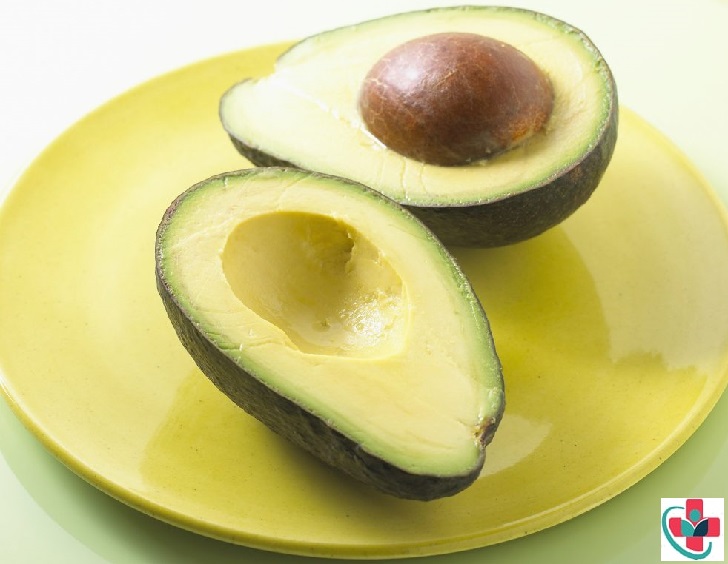
You’ve probably been throwing away the healthiest part of your avocado. Avocados are one of the greatest foods of all time, they are also extremely beneficial to your health and remarkably versatile in the kitchen. But did you realize that you might be getting rid of the most beneficial part of the avocado every time you eat one?

  • Avocado seeds make up around 70% of the avocado’s nutritional benefits. Incorporating avocado seeds or avocado seed oil into your diet is a great way to boost your antioxidant and nutrient intake.
  • Avocado seeds have anti-tumor properties due to a condensed flavonol found only in the seeds, in fact, studies with rats with cancer given Avocado Seed powder look promising.
  • Avocado seeds are loaded with soluble fiber. They are said to be among the highest sources of naturally occurring soluble fiber. Soluble fiber is extremely important for your digestion and digestive tract.
  • Because of their high antioxidant content, avocado seeds have the potential to lower cholesterol and decrease your chance of developing heart disease or having a stroke.
  • Try chopping it up in a blender or food processor after being dried and mix with either a mashed banana or half of a mashed avocado for a simple, all-natural facial scrub.
  • You can also treat various aches and pains by making a tea with the avocado seed. Either place half of the seed in boiling water for 10 minutes, or dry out the seed, blend to a powder, and add 1 tablespoon to 1 cup of boiled water. This is great for a stomach ache, and can alternatively be cooled and applied topically to soothe itchy skin.
  • Avocado Seed Oil has been shown in studies to increase collagen in your skin thus helping to keep your skin looking young and wrinkle-free. The oil will make your hair shiny and help get rid of the dry dead skin.
  • Avocado Seeds boost your immune system and keep you from coming down with debilitating diseases. Keeping your immune system high, because antioxidants keep free radicals at bay and slow the aging process.
  • Avocado Seeds seems to have a good anti-inflammatory ability and thus helps with arthritis and other joint diseases

How to cook beans to avoid realizing of gas.

Beans and legumes are very rich in plant protein, fibre, B-vitamins, iron, folate, calcium, potassium, phosphorus, and zinc. Most beans are also low in fat.

Although beans are wonderful source of protein and all the nutrients mentioned above, most people avoid them because of the fear of what might happen in the next minutes and hours. Things like gas, flatulence, farts or even heart burn in some individual.

Bellow are steps or things you can do while cooking your beans that will make you not to fart after eating it.

A. Soak Your Beans in Water.

Scientist have proven and also recommended that soaking your beans in water for some hours will remove the most of the OLIGOSACCHARIDES before you cook. Some persons I interacted with said this worked for them.

B. Soaking Beans with baking soda.

There are many uses of baking soda and one of the uses is its ability to remove flatulence after eating beans.

C. Adding Mould (Aspergillus niger) to your beans.

The reason behind unable to digest beans is because we lack the alpha-galactosidase enzyme in our digestive tract. This mould popularly called aspergillus niger contains the alpha galactosides enzyme. If you sprinkle it on your beans. It will help to break down the Oligosaccharides and eventually prevent one’s large intestine bacteria from creating gases.

D. Adding of Veggies.

While you are cooking the beans, add a whole carrot or dice (cut the carrot with knife into smaller sizes) the carrot into your beans will help a great deal.

E. Adding bitter leaf. (Olubu in Igbo, Ewuro in Yorubal)

Pluck some bitter leaves, do not cut or squeeze as this will make it bitter. Just add the bitter leaves together with the beans you are cooking. Thank me latter.

F. Change the boiling water.

Cook your beans in a pot of water without adding any ingredients. Allow it to boil for about 10 – 15 minutes, then remove the water and put a fresh water. This is my favourite method of cooking beans and I can tell you that it works wonder. It removes those saccharides.

You can equally drop the one you have tried that works for you.

Signs you should never ignore during your period

there are some symptoms medicine says you just shouldn’t ignore.

1.Skipping a period

ok, it might be a blessing you didn’t get your period this month because you’re pregnant. However, there are other causes of not getting your period, such as

  • Significant weight loss – the body needs fat to manufacture hormones
  • Over exercising
  • Continuous use of birth control pills
  • Extreme stress
  • Polycystic ovary syndrome
  • Perimenopause – this could occur if you’re over your 40s and the menopause period is right around the corner

2.Abnormally short or long periods

A normal period is between 2-7 days. Anything below or above that limit is definitely something you should check up with your doctor.

3.Heavy bleeding

As we mentioned, the menstrual flow varies in each menstruation. But, there’s a medical name for an overflowed period – menorrhagia. You have this if you’re soaking through one pad or more in just an hour. Along with the overflow, symptoms are shortness of breath, fatigue or anemia.

If you have olycystic ovaries, polyps or fibroids, bleeding disorders, cancer or endomertriosis, this could be the cause. These are all conditions that have to be diagnosed with a help from your doctor. And if you’re pregnant, go see your doctor ASAP, because heavy complications might follow.

4.Pain in your breasts

During period or even before the period starts, breast pain could endure. Again, the hormones are to blame for this. But however, if the pain doesn’t always coincide with your menstrual cycle, you should schedule an appointment with your doctor.

5.Vomiting or diarrhea

If you’re among the women who has never experienced this, you’re so lucky. The majority of the women experience these symptoms as well. 65% ow all women, to be more precise. However, if this is not normal for you, and you just started experiencing it with your menstrual cycle, you should see your doctor because this might also be indication of PID or similar medical condition.

6.Bleeding between period

Is something you should most definitely never overlook! Here are some things that might cause your body to bleed even if your menstrual cycle hasn’t started yert:

  • Chlamydia, gonorrhea and similar STDs
  • Polycystic ovary syndrome
  • An injury of the v*gina
  • Cervical, ovarian or uterine cancer
  • Uterine polyps or fibroids
  • Miscarriage

If your body just doesn’t feel right, see a doctor, because the health of the reproductive system is one of the most important things a woman should take care about, even if you’re not planning to give birth anymore

Signs of unhealthy vagina

1. Itching and Burning: constant itching and burning sensation indicates the onset of a number of vaginal infections. When the harmful bacteria outnumber the good bacteria in the vagina, the imbalance manifests itself through the physical symptom of itching and burning. A certain amount of yeast is essential to ward off harmful bacteria in the vaginal area. However, an over production of yeast can result in a yeast infection, causing symptoms that include itching and burning.h

Itching can also be a reaction to chemicals or ingredients in soaps, creams, contraceptive foams and prepackaged douching mixtures. These mixtures can alter the bacterial balance and acidity of the vagina that protect it against infections.

2. Smelly Discharge: It’s unlikely for your vagina to smell like a bed of roses, but if you notice a recurrent strong odor, one that even transfers to your undergarments, it might be a sign of an infection. An excess of harmful bacteria causes bacterial vaginosis. A foul-smelling vaginal discharge is often the first and most common symptom of this infection.

A “fishy odor” is one of the major symptoms of bacterial vaginosis, according to a 2011 study published in the International Journal of Women’s Health. This discharge may especially occur after intercourse. Pregnant women who contract bacterial vaginosis run a risk of delivering their baby prematurely, according to the Centers for Disease Control and Prevention. It also increases the risk of contracting sexually transmitted diseases (STDs), including HIV, and may sometimes lead to pelvic inflammatory disease. Therefore, seek medical attention right away if you notice a vaginal odor.

3. Discoloration & Excessive Discharge: Vaginal discharge is the body’s natural mechanism to keep the vagina lubricated and flush out harmful bacteria. Normal vaginal discharge – clear or white and does not give off a bad odor. A brown or red discharge that occurs right after a menstrual cycle is usually not a matter of concern. However, if you experience brown or red discharge on normal days between periods, seek medical attention as it could be indicative of cervical cancer. If it occurs during early pregnancy, it could signify a miscarriage. A green or yellow, smelly and froth-like discharge is not normal and may be a sign of trichomoniasis, an STD. A watery white, gray or yellow discharge might be a symptom of bacterial vaginosis. While the amount of discharge differs from woman to woman, recurrent and excessive discharge may also indicate bacterial vaginosis.

Seek medical attention right away if you notice a discoloration in your vaginal discharge.

4. Abnormal Bleeding: if you experience bleeding between periods, it is a cause for alarm. A menstrual cycle that lasts abnormally long may also be a sign that there’s a problem. If you have reached menopause (absence of menstruation for 12 months) but are still experiencing bleeding and spotting, consult your gynecologist immediately. Post-menopausal bleeding is a crucial symptom and must be immediately diagnosed to prevent its transformation into a malignant disease, according to a 2013 study published in the International Journal of Reproduction, Contraception, Obstetrics and Gynecology. Some women may also notice the passage of blood clots through the vagina post-menopause – another warning sign of an unhealthy vagina and related diseases, such as endometrial polyps (growths in the inner lining of the uterus) or endometrial or cervical cancer.

5. Bleeding During or After Intercourse: while it is common for women who are new to sexual intercourse to experience bleeding, medical attention must be sought if it is a recurring issue in young women. Bleeding during or after intercourse in a woman of any age could indicate a vaginal infection, a vaginal tear (induced by childbirth), STDs like chlamydia or vaginal dryness. The friction produced during intercourse can irritate dry skin and cause spotting. If you have gone through menopause and experience bleeding during or after intercourse, it is a great cause for worry as it could indicate cervical cancer.

Therefore, any abnormal bleeding during or after intercourse needs medical attention as it could have long-lasting and grave consequences.

6. Bumps or Blisters: if you notice a bump on your outer vagina, it might be a symptom of vaginal or vulvar cancer. Vaginal cancer remains one of the least-discussed cancers among women today. Although it is not as common as other cancers in women, a study published in 2000 in The Journal of Reproductive Medicine reported a significant increase in the number of young women contracting vulvar cancer since 1980. A cancerous bump may begin as a mole but change color and texture to transform into a hard bump or lesion. The bump can occur anywhere on the outer vagina, although it is most commonly located near the clitoris. It is usually black or dark brown, but it can also be pink, red or white. Sores and blisters might be symptoms of STDs, such as genital herpes. Seek immediate medical attention if you notice a bump on your outer vagina.

7. Painful Urination: painful urination is most commonly associated with urinary track infections, it can also be a major symptom of a vaginal infection like a yeast infection or bacterial vaginosis. A vaginal infection can occur due to the use of products like creams and soaps that contain certain harmful chemicals. It may also occur from using a chemical-based douche or leaving a tampon in too long. Vaginal infections often cause the vagina to become inflamed and hurt when urine passes through it. Painful urination can also be a symptom of various STDs, including chlamydia and genital herpes. Apart from being painful, the urination may also be inflammatory and the person may suffer constant vaginal itching. If you experience pain while urinating, seek medical attention.

Seeing Irregular Periods: Skipping your period once in a while is fine but if you skip your period frequently, it is important to see a gynecologist. It could be one of the first indications of an issue with your reproductive system.Occasional missed periods are often linked to issues like excessive weight loss or gain, eating disorders like anorexia or bulimia, anemia, a strenuous exercise routine, breastfeeding, emotional stress, some kind of illness, too much traveling, use of unsuitable birth control medication and illegal drugs, even asthma and hay fever.

However, conditions like polycystic ovary syndrome, menopause, or hormonal imbalances can also trigger this problem. So, do see your gynecologist to find out the exact cause. At your appointment, your gynecologist will first rule out the possibility of pregnancy. If the pregnancy report is negative, other tests will be done. Depending upon the cause, treatment will be planned to correct the problem and prevent it from recurring.

Seeing a gynecologist will help find the underlying cause and the best treatment options. Some Dos and Don’ts for Your Visit to your Gynecologist:

-Do look for a gynecologist in your area who you are comfortable talking to about your problem.

-Do keep track of your monthly cycle and bring the information to your appointment.

-Do come up with questions beforehand.

-Do keep a diary with you about your medical history as well as family history.

-Do remain relaxed before your appointment.

-Don’t be shy talking about any problems with your gynecologist.

-Don’t hide your social habits, sexual activity or any health information.

-Don’t have sex the night before your appointment.

-Don’t use yeast medications or douches 24 hours before your appointment.

Do you that Bitterkola can neutralise snake or scorpion bite.

The most important thing to do after a bite from a poisonous animal is to focus on getting the venom out of your veins/ body system because the venom is very dangerous to the body and can also lead to death.

In the olden days, Bitter kola is a very potent antidote used in neutralizing poison. Bitter kola can neutralize scorpion and snake venom. One seed of bitter kola is normally given to anyone who is bitten by a poisonous snake to chew and swallow and in few minutes after eating, it neutralises the whole poison and bring a huge relief to the sufferer.

You can also use bitter kola to keep away snakes from your home and immediate sorroundings by throwing the seed to different corners of the house and compounds. Bitter kola can also be grinded in a powderly form and sprayed anywhere you think snakes passes and any snakes that crosses it dies instantly.

Bitter kola can also be used to induce vomiting in children who ate or swallowed poisonous substances like kerosene, detergents, soaps etc. Blend one or two seeds of bitter kola, add few drops of water to form a very light syrup. Allow the child to drink it, it will induce vomiting of all those poisonous substances in few minutes. Bitter kola can also be cut into tiny pieces and soaked in water. Allow to ferment for few days and start drinking every morning to flush out toxins from the body system.

Note: After using bitter kola in neutralizing poisonous venom from bites and expelling toxins swallowed by children, there is still need to visit a medical facility for a proper check up.

5 signs of early pregnancy

The tell-tale sign of pregnancy, of course, is a missed period. But if you have an irregular period or pay little attention to the calendar, you might miss that obvious clue.

Early pregnancy signs often mimic pre-menstrual symptoms. A little cramping and breast tenderness, for example, are common. For some women, bleeding happens when the egg implants and might be mistaken for a light period.

But as your body ramps up on pregnancy hormones, you might also experience:

1.Scent repulsion.

2 .Food aversion.

3. Nausea: your stomach feels unsettled. You feel like to vomit or not to vomit.

4. Strong gag reflex: Does brushing your teeth make you want to vomit? In early pregnancy, your gag reflex can kick into overdrive leading to unexpected vomiting.

5. Always wants some sleep:  It’s Monday morning, and you’re already craving to return to sleep, or at least rest, seems to be on your agenda much more these days.

You can count on your health provider to:

1. Establish wellness care: Routine pelvic exams and Pap smears can keep you healthy.

2. Provide STD screenings: If you have a s*xually transmitted disease, like herpes, it can negatively affect pregnancy.

3. Regularize your period: You’ll have a better sense of when you’re ovulating (and when you’re pregnant) if your period comes on a more regular basis.

4. Uncover risks: Together with your doctor, you’ll get to the bottom of any inherited risks or other concerns that may be hiding in your family history.

5. Offer general advice: To ensure you’re healthy before and during pregnancy, your doctor can answer any questions related to women’s health, including questions about weight and nutrition.

List of foods to avoid if you are trying to conceive.

Sometimes you may fail to conceive when you expect it and you might think that you’re infertile. Infertility might not be the case but it depends with the type of foods you consume when you’re trying to get pregnant. Research has shown that there are certain foods that one should avoid when trying to conceive.

Here’s a list of the foods to avoid.

1. Soy-based foods

Soy-based foods are very delicious but studies show that they are not healthy especially when someone is trying to get pregnant. According to research, soy-based foods contain certain chemicals that functions the same as estrogen, which is a hormone that inhibits pregnancy. For you to conceive without problems, you should avoid these foods.

2. Peas

You might find it difficult to quit taking peas but you just have to do it if you want to conceive well. Nutritionists say that those who consume peas regularly experience low rate of conception. This is because peas contains certain Chemical compounds that can prevent the sperms from fertilising an egg hence preventing pregnancy. They act as natural contraceptives.

3. Eggs

Eggs are very nutritious but not healthy when trying to get pregnant. According to scientists, eating eggs which are not properly cooked or raw can increase your chances of being affected with virus called Salmonella which can affect the pregnancy.

4. Fish

No one would want to stop eating fish because of it’s delicious but it’s advisable to avoid it when trying to conceive. Nutritionists say that fish have high levels of mercury due to excess water pollution. You should eat salmon, shrimp or cod as an alternative.

5. Cheese

According to research, cheese made from unpasteurized milk or which is ripened without mould have chances of containing bacteria. These bacteria can infect pregnancy but if it’s a must for you eat cheese, you should cook them well before eating.

Most cancer symptoms you need to know according to medical practitioners.

Breast cancer is the most feared cancer among women. Before now, everybody used to think cancer was the greatest killer, until corona came calling. Most people used to regard diagnosis of cancer as a death certificate, until recent cancer research, stated otherwise.

As we know, women’s bodies are always changing. Sometimes changes that seem normal can be signs of cancer, though. All we need to do is to pay attention to your body so we can notice when something’s different, says Robyn Andersen, PhD, of the Fred Hutchinson Cancer Research Center in Seattle.

WebMD, an authoritative collegiate magazine decided to list 15 symptoms we should watch for.

1. Changes in your skin.

• A new spot on your skin, or one that changes size, shape or colour, could be a sign of skin cancer.

• Another is a spot, that does not look the same as all the others on your body.

• If you have any unusual marks, let your doctor check your skin. He will do an examination and may remove a small piece(called biopsy), to take a closer look for cancer cells.

2. Persistent and nagging cough.

• If you do not smoke, there is very little chance a nagging cough is a sign of cancer. Usually, it is caused by post-nasal drip, asthma, acid reflux or an infection.

• But, if your cough does not go away, or you cough up blood – especially if you are a smoker – consult your doctor.

• He may test mucus from your lungs, or do a chest x-ray to check for lung cancer.

3. Changes in the breast.

• Most changes in the breasts are not cancer. It is still important though to consult your doctor about them, and have him check them out.

• Let him know about any lumps, nipples that turn inward or discharge, redness or thickening of the nipple or breast skin, skin dimpling or puckering or pain in your breasts. He will do an examination, and may suggest a mammogram, MRI or may be a biopsy.

4. Abdominal discomfort or bloating.

“Women are natural bloaters,” says Marleen Meyers, MD, an oncologist at NYU Langone Medical Center. “It’s OK to wait a week or two to see if it goes away.”

• You may have a full bloated feeling because of your diet or even stress. But if it does not get better, or if you also have fatigue, weight loss or bleeding, back pain, please let your doctor check you out.

• Constant bloating in women may be a sign of ovarian cancer.

• Your doctor can do a pelvic examination to look at the cervix.

5. Difficulty in urinating

• Many men have urinary problems as they get older, like the need to go more often, leaks, or a weak stream. Usually, these are signs of an enlarged prostrate, but they could also mean prostrate cancer.

• Consult your doctor for an examination, and may be, a special blood test called PSA test.

6. Swollen lymph nodes.

• you have these small bean-shaped glands in your neck, armpits, and other places in your body. When they are swollen, it often means you are fighting an infection, like bacteria, catarrh or sore throat.

• Some cancers, like lymphoma and leukaemia can also cause this kind of swelling.

• Consult your doctor to pinpoint the cause.

7. Bloody stool or urine.

• If you see blood in the toilet, it is a good idea to talk to your doctor.

Bloody stool is often from hemorrhoids, but it can also be a symptom of colon cancer. Bloody urine is usually the first sign of cancer of the bladder or kidneys, says Herbert Lepor, MD, a urologist at NYU’s Langone.

8. Between-Period Bleeding

If you’re still getting periods, tell your doctor if you’re spotting between them. Bleeding that’s not a part of your usual monthly cycle can have many causes, but your doctor will want to rule out endometrial cancer (cancer of the lining of your uterus).

Bleeding after menopause is never normal and should be checked right away.

9. Trouble Swallowing

Occasional trouble swallowing is nothing to worry about. But when it happens often, especially with vomiting or weight loss, your doctor may want to check you for throat or stomach cancer.

He’ll look into your symptoms with an an endoscopy (a lighted tube down your throat), a CT scan of your neck, chest, and abdomen or a barium X-ray. During a barium test, you drink a special liquid that makes your throat and stomach stand out on the X-ray.

10Weight Loss Without Trying

Most women wish extra pounds would magically melt away. But losing 10 pounds or more without a change in your diet or exercise habits could signal a problem.

Most unintended weight loss is notcancer, Meyers says. “It’s often caused by stress or your thyroid, but it can be a sign of pancreatic cancer,” she says. Other types of cancer such as colon, stomach and lung cancers are also possible.

11. Heartburn

Too much food, alcohol, or stress (or all three) can cause serious heartburn. Meyers suggests that you change your diet for a week or two to see if your symptoms get better.

If that doesn’t help, talk to your doctor. Heartburn that doesn’t go away or gets worse could mean cancer of the stomach, throat, or ovaries. Also, persistent heartburn can damage the lining of your esophagus and lead to a condition called Barrett’s esophagus. The condition raises the risk of developing throat cancer.

12. Mouth Changes

If you smoke, watch for yellow, gray, white or bright-red patches inside your mouth or on your lips. You could also develop a canker sore that looks like an ulcer with a crater in it. Any of these can signal oral cancer. Ask your doctor or dentist about tests and treatment.

13. Fever

A fever that doesn’t go away and can’t be explained could mean leukemia or another blood cancer. Your doctor should get the details of your medical history and give you a physical exam to check for the cause.

14. Fatigue

A lot of women are tired because they lead hectic lives. But extreme tiredness that won’t go away isn’t normal.

Symptoms and ways of preventing vaginal infection

Vaginal infections can be caused by bacteria, fungi, parasites or viruses growing in and around your vulva and vagina. Infections of your vagina and vulva can cause symptoms such as soreness and itchiness around your vulva and vagina, and an unusual vaginal discharge.

The three most common types of vaginal infection are yeast infections, bacterial vaginosis, and trichomoniasis. Some infections are caused by sexually transmitted diseases. Many, including yeast infections and bacterial vaginosis, result from a change in the vaginal environment.

Vaginal infections are caused by microorganisms, but women can take precautions, such as wearing loose, absorbent underwear, to reduce their risk of getting infections.

Most vaginal infections can be treated quickly and easily. Getting medical advice as soon as you notice a problem can help to get rid of your infection quickly and prevent complications. If you think you could have a sexually transmitted infection (if you’ve had unprotected sex with a new partner, for instance), it’s best to get checked out at a sexual health clinic.

Symptoms of common vaginal infections

Depending on the type of infection, you might have:

1. A white discharge from your vagina that looks like cottage cheese; alternatively you might have, or a thinner, white, green or yellow fishy-smelling discharge

2. itchiness or soreness in or around your vagina

3. pain when you have sex

4. pain when you pass urine

5. pain in your lower abdomen (tummy) or pelvis

6. bleeding between your periods or after you have sex

7. warts or ulcers around your vulva (the skin around the outside of your vagina)

These symptoms do not necessarily indicate an infection. Instead, they may result from other conditions that affect the vagina. For example, chemicals or other materials (such as hygiene products, bubble bath, laundry detergents, contraceptive foams and jellies, and synthetic underwear) can irritate the vagina and cause a discharge and discomfort. The inflammation that results is called noninfectious (inflammatory) vaginitis.

It’s normal and healthy for women to have some discharge from their vagina. The amount and colour of this discharge can change during your menstrual cycle, as you get older, when you take the contraceptive pill and when you’re pregnant. Sometimes, certain soaps, bath additives and vaginal douches (a type of prepared wash for your vagina) can cause inflammation of your vagina and changes in your discharge. But an abnormal unexplained change in the colour or smell of your vaginal discharge, along with other symptoms, can also be a sign of an infection. 

A vaginal discharge may be caused by a disorder that affects other reproductive organs, rather than the vagina. For example, a discharge can result from certain sexually transmitted diseases such as chlamydial infection or gonorrhea. The bacteria that cause these diseases can spread from the vagina to the cervix (the lower, narrow part of the uterus that opens into the vagina) and the uterus, causing pelvic inflammatory disease.

Ways To Prevent Vaginal Infections

1. Keep yourself dry and clean

Wipe yourself dry after a bath or shower. Change out of your sweaty clothes or wet swimsuit as soon as you can. Yeast loves to grow in damp places.

2. Avoid perfumed deodorant sprays, scented tampons and vaginal douchesh, these may affect the delicate balance of yeast and bacteria in the vagina and cause yeast infections.

3. Relax and reduce stress

Some studies show a link between chronic stress and vaginal yeast infections. Stress lowers your body’s immune system. Exercise, meditation and getting enough sleep can relieve stress.

4. Wear cotton underwear

Candida thrives best in a damp environment. As cotton absorbs moisture and perspiration better, it helps keep yeast infections at bay.

5. Practise good personal hygiene

Make sure you wipe from front to back after visiting the bathroom to prevent bacteria from the anus travelling to the vagina.

6. Avoid tight-fitting jeans and pants

Stay cool, dry and airy in loose-fitting pants and jeans.

7. Take natural yogurt with live cultures

Antibiotics destroy good bacteria in the body. If you are on antibiotics, be sure to replenish the good bacteria by taking natural yogurt containing friendly bacteria such as lactobacillus acidophilus.

Two local fruits that can improve your Eye sight within Two weeks.

This Two Local Fruits Can Improve Your Eye Sight Within Two Weeks If You Use Them Well

More than fifty millions of people are suffering from eyes problem in Africa . Eyes problem seem to be the worst sickness in man or woman can have, our eyes is our torch with it we can’t see.
What are the causes of eyes problem?


1. Macular degeneration

2. Glaucoma, and

3. Cataracts, 

4.Dust and many more.

To avoid eyes problem, you need to be taking antibiotic time to time. Minimize staying under sun, if you are using laptop, desktop or mobile phone always you can ask doctor to recommend glass for you. Each time you want to use you computer put on your glass when you finish you remove it. Also minimize taking of sugar content things like soft drink and others.

What are the symptoms of eyes problem?


1.Eye pain

2.Eye itching

3.Watering eye

4.Eye red

5.Double vision and many more.

Herbal remedy for eyes problem


1. Take carrot slice it mix it with original honey, take it early morning before breakfast, 2 spoons and take it again before going bed in the night.

2. Mix coconut water with original palm wine, take 1 glass cup in the morning before breakfast once in a day.