I think some of the fears and insecurities we struggle with were sown in us at a young age. Maybe we experienced something we shouldn’t have, and, ever since, the memory won’t let us be.
You know, not until this past week, it did not occur to me that kids are watching too: seeing and hearing most of the disturbing stories and conversations about the pandemic. And it is frightening knowing that some of these kids will internalise their fears, because, young as they may be, they likely have figured that ours is a society that would prefer you hide your fears than admit them.
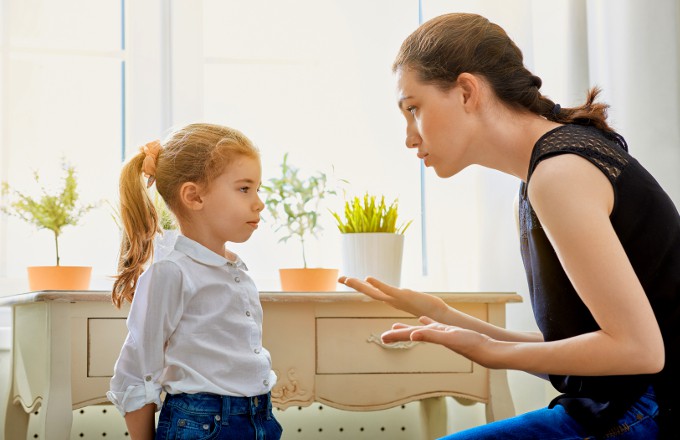
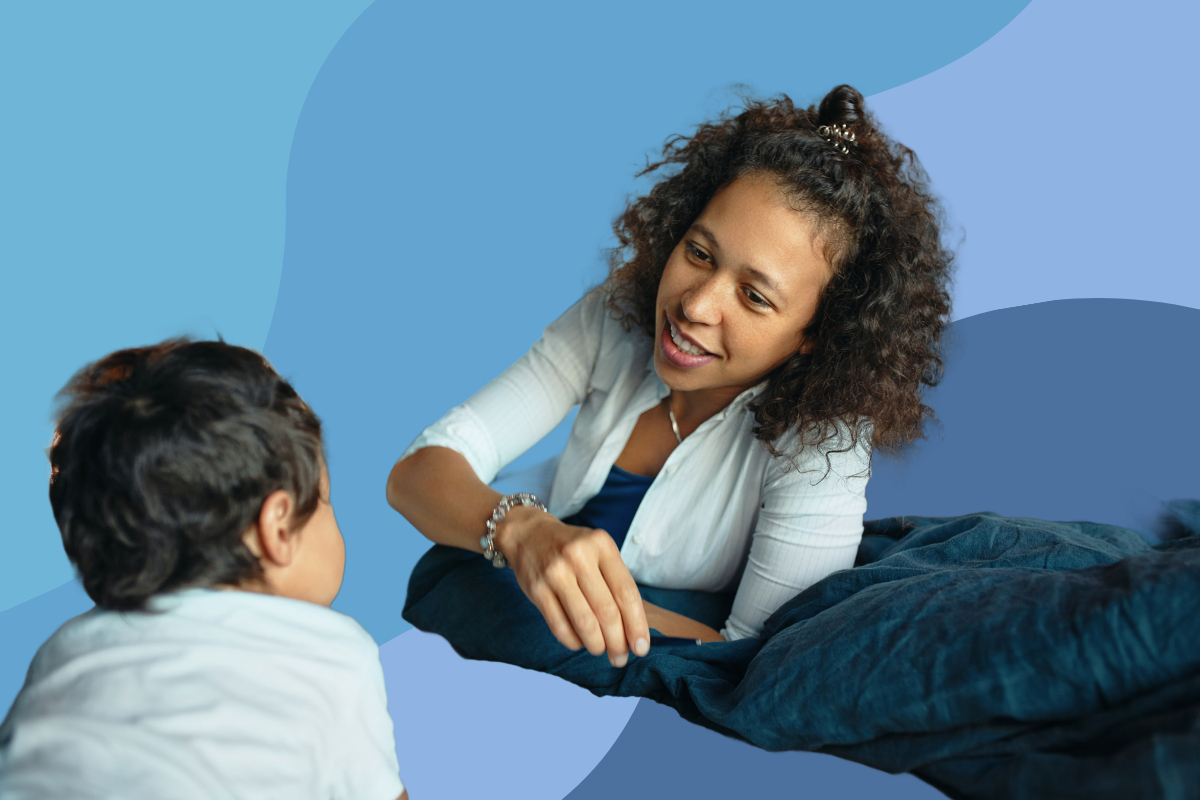
I hope you’d consider this: The need to initiate an honest, two-way conversation with your kids or, basically, with kids whom you are obligated to care for. And this, I think, is relevant for all times, not just in this season.
I guess not many of us had this while growing up, and not having an example to follow after, it may seem a difficult task to initiate.
So, if you have kids or you hope to have one someday, here are tips I think might help:
— Start early.
— Reduce or totally eliminate those “When I was your age” stories. They are usually boring and not always helpful. Dear, you’re human, which means, no matter how good you think you are, you have faults. Truly, a good relationship requires a certain level of vulnerability from both sides. So, to the extent you can, do show them that you are truly human.
— Beyond the words we speak and write, people tend to sense the spirit behind them. So, try not to make the conversation about you or what you want of your kids. Rather, it should be a conversation about them and the person they want to be.
You know, life shouldn’t always be so complicated.
Parenting or child upbringing is the process of promoting and supporting the physical, emotional, social and intellectual development of a child from infancy to adulthood. It refers to the intricacies of raising a child and not exclusively for a biological relationship.
How to be a good parent.
A good parent is someone who strives to make decisions in the best interest of the child.
A good parent doesn’t have to be perfect. No one is perfect.
No child is perfect either … keeping this in mind is important when we set our expectations.
Successful parenting is not about achieving perfection.
But it doesn’t mean that we shouldn’t work towards that goal.
Set high standards for ourselves first and then our children second. We serve as a role model for them.
Here are 6 tips on learning good parenting skills.
Many of them are not quick nor easy. And probably no one can do all of them all of the time.
But if you can keep working on the tips in this parenting guide, even though you may only do part of these some of the time, you will still be moving in the right direction.
Top 6 Parenting Tips On Improving Parenting Skills
1. Be A Good Role Model
Walk the walk. Don’t just tell your child what you want them to do. Show them.
Human is a special species in part because we can learn by imitation. We are programmed to copy other’s actions to understand them and to incorporate them into our own. Children, in particular, watch everything their parents do very carefully.
So, be the person you want your child to be — respect your child, show them positive behavior and attitude, have empathy towards your child’s emotion — and your child will follow suit.
2. Love Them And Show Them Through Action
Show your love.
There is no such thing as loving your child too much. Loving them cannot spoil them.
Only what you choose to do (or give) in the name of love can — things like material-indulgence, leniency, low expectation, and over-protection. When these things are given in place of real love, that’s when you’ll have a spoiled child.
Loving your child can be as simple as giving them hugs, spending time with them and listening to their issues seriously.
3: Practice Kind And Firm Positive Parenting
Babies are born with around 100 billion brain cells (neurons) with relatively little connections. These connections create our thoughts, drive our actions, shape our personalities and basically determine who we are. They are created, strengthened and “sculpted” through experiences across our lives.
Give your child positive experiences. They will have the ability to experience positive experiences themselves and offer them to others.
Give your child negative experiences. They won’t have the kind of development necessary for them to thrive.
Sing that silly song. Have a tickle marathon. Go to the park. Laugh with your child. Ride through an emotional tantrum. Solve a problem together with a positive attitude.
Not only do these positive experiences create good connections in your child’s brain, but they also form the memories of you that your child carries for life.
Being a good parent means you need to teach your child the moral in what is right and what is wrong. Setting limits and being consistent are the keys to good discipline.Be kind and firm when enforcing those rules. Focus on the reason behind the child’s behavior. And make it an opportunity to learn for the future, rather than to punish for the past
4. Be A Safe Haven For Your Child
Let your child know that you’ll always be there for them by being responsive to the child’s signals and sensitive to their needs. Support and accept your child as an individual. Be a warm, safe haven for your child to explore from.
Children raised by parents who are consistently responsive tend to have better emotional development, social development, and mental health outcomes.
5. Talk With Your Child And Help Their Brains Integrate
Most of us already know the importance of communication. Talk to your child and also listen to them carefully.
By keeping an open line of communication, you’ll have a better relationship with your child and your child will come to you when there’s a problem.
But there’s another reason for communication — you help your child integrate different parts of his/her brain. Integration is similar to our body in which different organs need to coordinate and work together to maintain a healthy body.
When different parts of the brain are integrated, they can function harmoniously as a whole, which means fewer tantrums, more cooperative behavior, more empathy and better mental well-being.
To do that, talk through troubling experiences. Ask your child to describe what happened and how he/she felt to develop attuned communication.
You don’t have to provide solutions. You don’t need to have all the answers to be a good parent. Just listening to them talk and asking clarifying questions will help them make sense of their experiences and integrate memories.
6. Reflect On Your Own Childhood
Many of us want to parent differently from our parents. Even those who had good upbringing and a happy childhood may want to change some aspects of how they were brought up.
But very often, when we open our mouths, we speak just like our parents did.
Make note of things you’d like to change and think of how you’d do it differently in a real scenario. Try to be mindful and change your behavior the next time those issues come up.
Don’t give up if you don’t succeed at first. It takes practice, lots of practice to consciously change one’s child upbringing methods.




 Chioma Business Blog