
most challenging aspects of weight loss is cutting back on calories. Many low-calorie foods can leave you feeling hungry and unfulfilled between meals, making it much more tempting to overeat and indulge.
There are plenty of healthy foods that exist, which has both fillings and equally low in calories.
Below, are the 7 low calorie foods you want to stock your office fridge and house with.
1. Watermelon
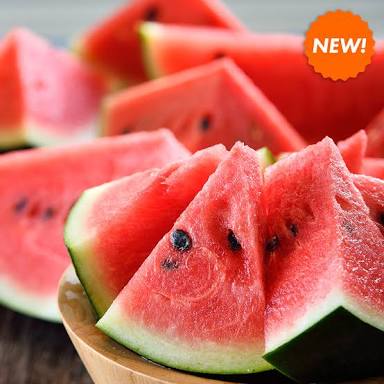
Watermelon has a high water content to keep you hydrated and full while supplying a minimal number of calories. One cup (152 grams) of diced watermelon contains 46 calories alongside an assortment of essential micronutrients like vitamins A and C (44).[20]
Eating foods with a low-calorie density, such as watermelon, has been shown to have similar effects on feelings of fullness and hunger compared to high-calorie-density foods.
Plus, foods with a lower calorie density have been linked to lower body weight and decreased calorie intake.
2. Eggs
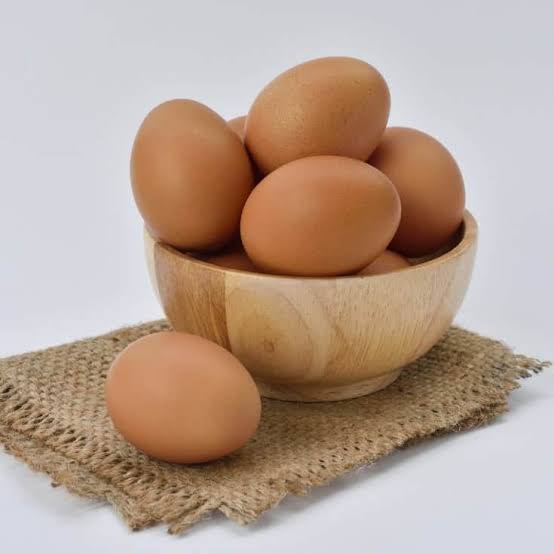
Eggs are extremely nutrient-dense, as they’re low in calories but rich in many vital nutrients. A single large egg has approximately 72 calories, 6 grams of protein and a wide array of important vitamins and minerals.
Studies suggest that starting your day with a serving of eggs can reduce hunger and boost fullness. In a study in 30 women, those who ate eggs for breakfast instead of a bagel experienced greater feelings of fullness and consumed 105 fewer calories later in the day
3. Cucumber
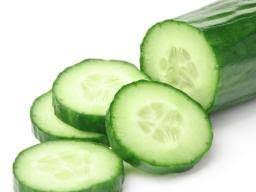
Cucumber is a widely cultivated plant in the gourd family, Cucurbitaceae. It is a creeping vine that bears cucumiform fruits that are used as vegetables. There are three main varieties of cucumber: slicing, pickling, and seedless. Within these varieties, several cultivars have been created.
Energy: 15.54 Calories (per 100 g)Potassium: 147 mg (per 100 g)Vitamin c: 2.8 mg (per 100 g)Protein: 650 mg (per 100 g)Scientific name: Cucumis sativusOther constituents: Quantity
It’s high in nutrients. Cucumbers are low in calories but high in many important vitamins and minerals. It contains Antioxidants, it is very good in hydration. It aid in weight loss and has lower blood sugar. It also promotes regularity and easily to add to your diet.
4. Greek Yoghurt

Greek yoghurt is a great source of protein that can help curb cravings and promote weight loss.
Though the exact numbers vary between brands and flavors, a 2/3-cup (150-gram) serving of Greek yoghurt typically provides about 130 calories and 11 grams of protein.[1]
One study in 20 women examined how a high-protein yoghurt snack affected appetite compared to unhealthy high-fat snacks like chocolate or crackers.[2] Not only did the women who ate yoghurt experience less hunger, but they also consumed 100 fewer calories at dinner than those who ate crackers or chocolate.
Meanwhile, in another study in 15 women, high-protein Greek yoghurt helped reduce hunger and increase feelings of fullness compared to lower-protein snacks.
5. Berries
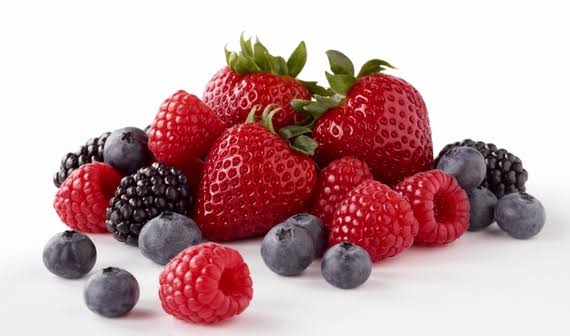
Berries — including strawberries, blueberries, raspberries and blackberries — are loaded with vitamins, minerals and antioxidants that can optimize your health. Their high fiber content also boosts weight loss and reduces hunger. For example, 1 cup (148 grams) of blueberries supplies just 84 calories but packs 3.6 grams of fiber.
6. Fish
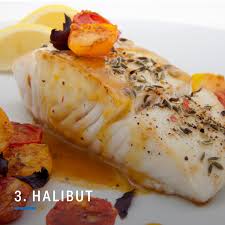
Fish is rich in protein and heart-healthy fats. For instance, Halibut, cod and so on. A 3-ounce (85-gram) serving of cod provides over 15 grams of protein and under 70 calories.
7. Legumes
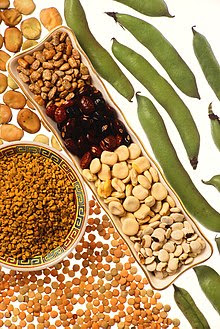
Legumes have a powerful effect on hunger and appetite. One study in 43 young men noted that a high-protein meal with beans and peas increased feelings of fullness and reduced appetite and hunger more than a high-protein meal with veal and pork
Because of their high protein and fiber content, legumes such as beans, peas and lentils can be incredibly filling. One cup (198 grams) of cooked lentils provides about 230 calories, as well as 15.6 grams of fiber and nearly 18 grams of protein.[17]
Another review of nine studies reported that people felt 31% more full after eating pulses, a type of legume, compared to high-carb meals of pasta and bread.
 Chioma Business Blog